The church potluck was in four hours and I’d completely forgotten. Everyone else would be bringing their signature dishes—Mrs. Patterson’s legendary seven-layer dip, the DeMarco family’s lasagna that took two days to assemble, and my aunt’s perfectly frosted chocolate cake that looked like it belonged in a bakery window. I had a sad butternut squash sitting on my counter, some sage that was about to wilt, and a box of pasta I’d grabbed on sale last week. Honestly? I almost just stopped for a rotisserie chicken on the way.
But then I remembered this pasta dish I’d thrown together one random Tuesday when the weather turned cold and I needed something to warm me up from the inside out. It wasn’t fancy. It wasn’t planned. It was just pure, accidental comfort. I grabbed my biggest pot—the one with the scratched bottom that I refuse to replace—and started cooking in a mild panic, hoping the flavors would come together the way they had that first time.
You know that feeling when you’re racing against the clock and you just start throwing things in a pot, praying it works? That was me. I didn’t have time to roast the squash separately. I didn’t have cream or fancy cheese. I just had what I had, and I had to make it work. The thing is, when you’re under pressure, you stop overthinking. You stop following the rules. You just cook. And sometimes—just sometimes—that’s when the magic happens.
By the time I walked into that church hall with my big pot of pasta, I was still wiping flour off my jeans. I set it down next to the elaborate dishes, feeling a little embarrassed. But then people started going back for seconds. Then thirds. Mrs. Patterson asked for the recipe. The DeMarco family wanted to know my secret. And I just laughed, because the secret was that I’d had no time, no plan, and absolutely no idea what I was doing. This cozy fall harvest pasta became the dish I’m known for now, and I still make it exactly the same way—in one pot, under pressure, with love.
Why You’ll Love This Recipe
Let me tell you why this easy one-pot fall harvest pasta has earned a permanent spot in my weekly rotation. It’s not just another pasta recipe—it’s the kind of dish that makes you close your eyes after the first bite and forget about your stressful day for a minute.
- Quick & Easy: This comes together in about 30 minutes, start to finish. No roasting squash separately, no dirtying multiple pots. One pot, one meal, minimal cleanup. Perfect for those busy weeknights when you still want something that feels special.
- Simple Ingredients: You probably have most of these in your kitchen right now. A humble butternut squash, some sage, onion, garlic, pasta, and broth. No fancy trips to specialty stores required. This is pantry cooking at its finest.
- Perfect for Cozy Nights: When the air gets crisp and the leaves start turning, this is the dish you want. It’s warm, it’s hearty, and it fills your kitchen with the most incredible smell of sage and garlic. Honestly, it’s like a hug in a bowl.
- Crowd-Pleaser: I’ve made this for picky eaters, vegetarians, and dedicated meat-lovers, and everyone goes back for more. The creamy texture and sweet-savory flavor combo is universally loved.
- Unbelievably Delicious: The squash breaks down and creates this naturally creamy sauce without any cream at all. The sage gets crispy and fragrant. The pasta absorbs all that flavor. It’s comfort food that feels a little bit fancy but is secretly so simple.
What makes this recipe different from all the other fall pasta recipes out there? It’s the technique. Instead of roasting the squash separately (which takes forever and dirties another pan), you cook it right in the pot with the pasta. The squash melts into the broth, creating this silky, velvety sauce that coats every single noodle. It’s a game-changer, I promise you.
This isn’t just good pasta. It’s the kind of pasta that makes you text your friends about it. The kind you crave when the weather turns cold. The kind that reminds you why cooking from scratch, even when you’re in a rush, is always worth it.
What Ingredients You Will Need
This recipe uses simple, wholesome ingredients that come together to create something truly special. The magic is in how they work together—the sweetness of the squash, the earthiness of the sage, the richness of the broth. Here’s what you’ll need:
For the Pasta Base
- 1 medium butternut squash (about 2-3 pounds), peeled, seeded, and cut into ½-inch cubes (look for one that feels heavy for its size and has a solid, unblemished skin)
- 12 ounces short pasta like penne, rigatoni, or fusilli (I prefer Barilla or De Cecco for their texture—they hold up well to the cooking process)
- 4 cups vegetable broth (or chicken broth if you’re not keeping it vegetarian; I like Swanson or Pacific Foods for consistent flavor)
- 1 medium yellow onion, diced (about 1 cup)
- 4 cloves garlic, minced (don’t skimp—garlic and sage are best friends)
- 2 tablespoons olive oil (use a good quality one for better flavor)
- 1 tablespoon unsalted butter (adds richness at the end)
- ½ cup grated Parmesan cheese (plus more for serving; use real Parmesan, not the stuff in the green can)
- Salt and black pepper to taste
- ¼ teaspoon red pepper flakes (optional, but I love the little warmth it adds)
For the Sage
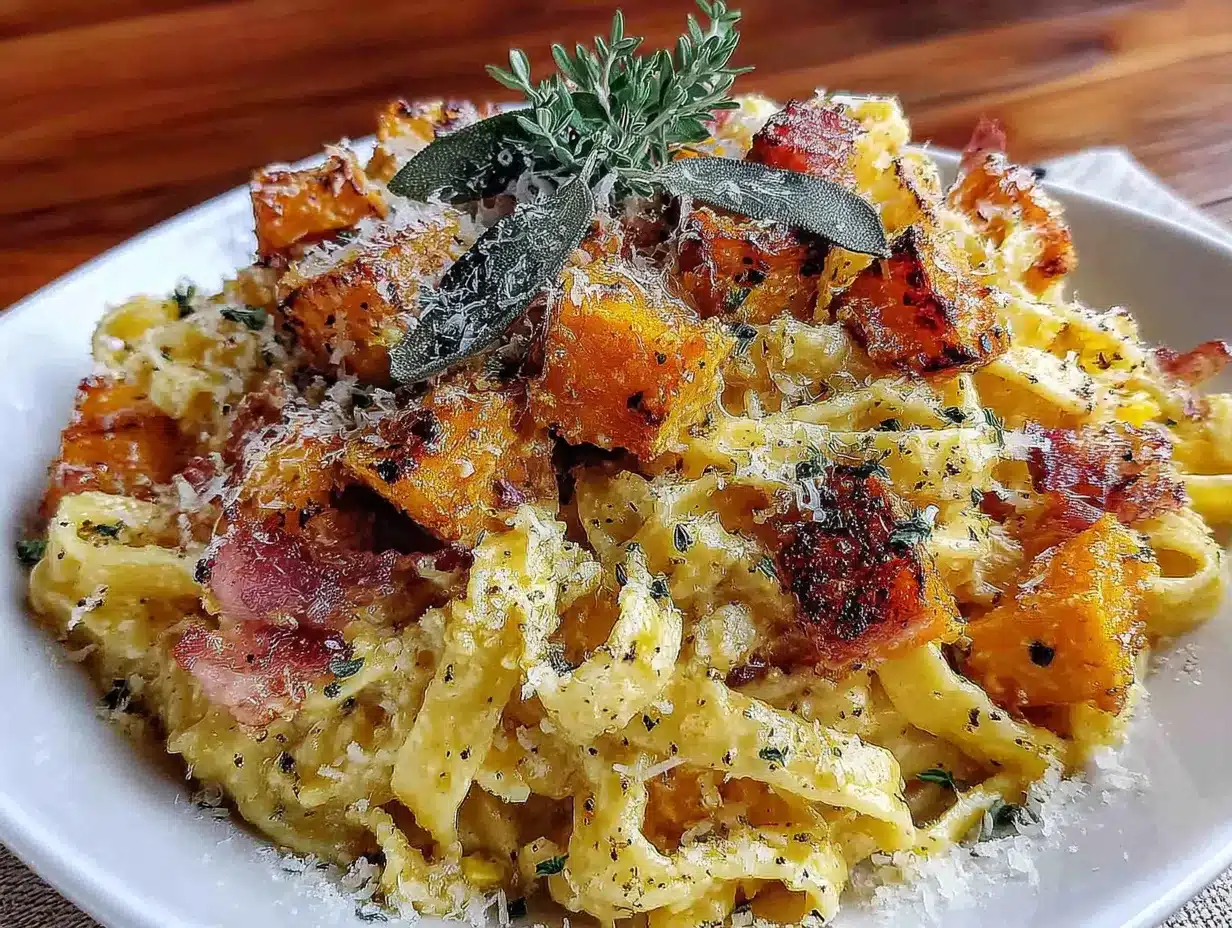
- 15-20 fresh sage leaves (look for leaves that are vibrant green and fragrant—avoid any that look wilted or have brown spots)
- 2 tablespoons olive oil (for crisping the sage)
Ingredient Tips & Substitutions
Butternut squash: You can use pre-cut butternut squash from the grocery store to save time, but I find it’s often drier and less flavorful than cutting your own. If you do buy pre-cut, look for pieces that are bright orange and firm. In a pinch, you can substitute with sweet potato or pumpkin—the texture will be slightly different but still delicious.
Pasta: Any short pasta works here, but I really recommend something with ridges or texture to catch that creamy sauce. Rigatoni is my personal favorite because the squash pieces fit perfectly inside the tubes. Gluten-free pasta works too—just adjust the cooking time according to the package directions.
Broth: The broth is where most of your flavor comes from, so use a good one. Low-sodium is best so you can control the salt level. If you only have bouillon cubes, that’s fine—just dissolve them in hot water first and adjust the salt later.
Parmesan: For a dairy-free version, you can omit the Parmesan or use a good quality nutritional yeast. But honestly, that little bit of real Parmesan at the end really pulls everything together.
Sage: Fresh sage is non-negotiable here. Dried sage just won’t give you the same fragrant, crispy result. If you absolutely can’t find fresh sage, you can substitute with fresh thyme or rosemary—the flavor profile will change, but it’ll still be good.
Equipment Needed
One of the best things about this recipe is how little equipment it requires. You don’t need a fancy kitchen to make this work.
- Large pot or Dutch oven: A 5-6 quart pot with a lid is ideal. I use my trusty old Le Creuset Dutch oven, but any heavy-bottomed pot will work. The key is having enough room for the pasta to cook and the squash to break down.
- Sharp chef’s knife: Peeling and cubing a butternut squash is the most labor-intensive part of this recipe. A sharp knife makes it so much easier and safer. I’ve learned this the hard way—dull knives and squash are a dangerous combination.
- Vegetable peeler: A good Y-shaped peeler works best for getting the tough skin off the squash.
- Wooden spoon or spatula: For stirring and breaking down the squash as it cooks.
- Small skillet: For crisping the sage leaves. You can technically do this in the same pot before you start the pasta, but I find it easier to do it separately so the sage doesn’t get lost.
- Measuring cups and spoons: For accuracy, though honestly, I eyeball most of this after making it so many times.
Budget-friendly tip: Don’t have a Dutch oven? A regular large stockpot will work just fine. Just keep an eye on the heat and stir a little more frequently to prevent sticking.
Preparation Method
Alright, let’s get cooking. This comes together faster than you think, so have everything prepped and ready to go before you start heating the pot. Trust me on this one—I’ve learned the hard way that scrambling to chop garlic while your onions are burning is not a good time.
Step 1: Prepare the Squash
Peel the butternut squash using a vegetable peeler. Cut off the top and bottom, then slice it in half lengthwise. Scoop out the seeds and stringy bits with a spoon. Cut the squash into ½-inch cubes. This should give you about 4-5 cups of cubed squash. (Pro tip: If you’re struggling to cut through the squash, microwave it whole for 2-3 minutes to soften it slightly—it makes a world of difference.)
Step 2: Crisp the Sage
Heat 2 tablespoons of olive oil in a small skillet over medium heat. Once the oil is shimmering, add the sage leaves in a single layer. Cook for about 30-45 seconds per side, until they turn bright green and get crispy. Be careful—they can burn quickly. Transfer them to a paper towel-lined plate and sprinkle with a little salt. Set aside. The oil in the pan is now sage-infused and delicious—save it to drizzle over the finished pasta.
Step 3: Start the Base
In your large pot or Dutch oven, heat 2 tablespoons of olive oil over medium heat. Add the diced onion and cook for 4-5 minutes, stirring occasionally, until it becomes translucent and fragrant. Add the minced garlic and cook for another 30 seconds until you can smell it. (Don’t let the garlic burn—it gets bitter fast.)
Step 4: Add the Squash and Broth
Add the cubed butternut squash to the pot along with ½ teaspoon of salt and ¼ teaspoon of black pepper. Stir everything together and cook for 2-3 minutes, letting the squash get a little color on the edges. Pour in the vegetable broth and bring it to a boil. Use your wooden spoon to scrape up any browned bits from the bottom of the pot—that’s flavor you don’t want to waste.
Step 5: Cook the Pasta
Once the broth is boiling, add the pasta. Stir well to make sure all the pasta is submerged. Reduce the heat to a gentle simmer and cover the pot. Cook for 10-12 minutes, stirring every 2-3 minutes to prevent the pasta from sticking to the bottom. The pasta will absorb most of the liquid as it cooks, and the squash will start to break down into a creamy sauce.
Important note: Don’t walk away from this! Unlike traditional pasta cooking where you boil and drain, this method requires your attention. The liquid reduces and concentrates, so you need to stir regularly. I learned this the hard way when I got distracted by a phone call and ended up with slightly burnt pasta on the bottom of my pot.
Step 6: Check for Doneness
After 10 minutes, check the pasta. It should be al dente—tender but with a little bite. The squash should be mostly broken down, creating a thick, creamy sauce that coats the pasta. If the pasta is still too firm and the liquid has been absorbed, add another ¼ cup of broth or water and continue cooking for 2-3 more minutes.
Step 7: Finish the Dish
Remove the pot from the heat. Stir in the butter and grated Parmesan cheese until everything is melted and glossy. Taste and adjust the seasoning—you might want more salt, pepper, or a pinch of red pepper flakes for warmth. The sauce will continue to thicken as it sits, so if it seems too thick, stir in a splash of warm water or broth.
Step 8: Serve
Spoon the pasta into bowls. Crumble the crispy sage leaves over the top and drizzle with that reserved sage oil. Add an extra sprinkle of Parmesan and a crack of black pepper. Serve immediately while it’s hot and comforting.
Cooking Tips & Techniques
After making this cozy fall harvest pasta more times than I can count, I’ve picked up a few tricks that make a real difference. Let me share what I’ve learned—including the mistakes I’ve made so you don’t have to.
Cut the squash uniformly. This is the most important tip I can give you. If your squash pieces are different sizes, some will turn to mush while others stay too firm. Take the extra minute to make them all roughly the same size—about ½-inch cubes. Your future self will thank you.
Don’t skip the sage crisping step. I know it seems like an extra thing to do, but crispy sage leaves are what take this dish from good to memorable. The texture contrast between the soft pasta and the crunchy sage is everything. Plus, that sage-infused oil is liquid gold—drizzle it on everything.
Stir, stir, stir. I cannot emphasize this enough. Because you’re cooking the pasta in a limited amount of liquid, it has a tendency to stick to the bottom of the pot. Set a timer for every 2-3 minutes and give it a good stir. It’s not hard, but it does require consistency.
Trust the process. The first time I made this, I panicked halfway through because it looked like too much liquid. Then I panicked again because it looked like too little. But trust me—the pasta will absorb exactly what it needs, and the squash will break down at the perfect rate. Just keep stirring and let it do its thing.
Season in layers. Add salt at the beginning when you cook the onions, again when you add the squash, and adjust at the end. Layering the seasoning throughout the cooking process builds deeper, more complex flavor than just salting at the end.
My biggest failure? The time I used pre-shredded Parmesan from a bag. It didn’t melt properly, it clumped up, and the texture was grainy. Always grate your own Parmesan from a block—it melts smoothly and tastes so much better. I promise it’s worth the extra 30 seconds.
Variations & Adaptations
One of the things I love most about this recipe is how adaptable it is. You can change it up based on what you have, what you’re craving, or who you’re feeding. Here are some of my favorite variations:
Make It a Complete Meal
Add some protein to make this a one-dish dinner. Cooked Italian sausage (either sliced or crumbled) is amazing with the sage and squash. You can also add shredded rotisserie chicken at the end, or toss in some canned chickpeas for extra fiber and protein. If you’re adding meat, cook it first in the pot before the onions, then remove it and add it back at the end.
Vegan Version
This is surprisingly easy to make vegan. Use vegetable broth, skip the butter (or use a plant-based butter), and replace the Parmesan with 2-3 tablespoons of nutritional yeast. The squash creates enough creaminess that you won’t miss the dairy. I’ve made this for my vegan friend Sarah multiple times, and she always asks for the leftovers.
Gluten-Free Adaptation
Use your favorite gluten-free pasta—I’ve had good results with brown rice pasta and chickpea pasta. Just be aware that gluten-free pasta can get mushy faster, so check it a minute or two earlier than the package suggests. You might also need a little extra broth since some gluten-free pastas absorb liquid differently.
Seasonal Swaps
While this is perfect for fall, you can make it year-round. In winter, try it with roasted pumpkin or acorn squash. In spring, swap the squash for asparagus and the sage for fresh basil. In summer, use zucchini and fresh tomatoes. The technique stays the same—just adjust cooking times based on your vegetable.
Spice It Up
If you like heat, add more red pepper flakes. I sometimes add a pinch of smoked paprika or a dash of cayenne pepper for warmth. A friend of mine adds a spoonful of harissa paste when she sautés the onions, and it gives the whole dish a North African twist that’s absolutely incredible.
Serving & Storage Suggestions
This cozy fall harvest pasta is best served immediately, straight from the pot, while it’s still hot and the sauce is at its creamiest. But let’s talk about how to make the most of it.
Serving Temperature: Serve this pasta piping hot. The sauce thickens as it cools, so if it sits for a few minutes, just add a splash of warm broth or water and stir before serving. I like to warm the bowls in the oven for a few minutes before serving—it keeps the pasta hot longer.
Presentation: Pile the pasta into shallow bowls, making sure to get plenty of that creamy sauce. Top with the crispy sage leaves, a generous grating of Parmesan, and a crack of black pepper. A drizzle of good olive oil or the reserved sage oil adds a beautiful finish. It’s rustic and beautiful—perfect for a cozy dinner at home or for impressing guests.
What to Serve With It: A simple green salad with a lemon vinaigrette is perfect to balance the richness of the pasta. I also love serving it with crusty bread for sopping up any extra sauce. For a complete fall meal, start with a bowl of roasted butternut squash soup and end with a warm apple crisp. A glass of crisp white wine or a light red like Pinot Noir pairs beautifully.
Storage: Leftovers can be stored in an airtight container in the refrigerator for up to 4 days. The pasta will absorb more liquid as it sits, so don’t be alarmed if it looks drier the next day. That’s normal.
Reheating: The best way to reheat this is in a skillet or pot over medium-low heat. Add a splash of broth or water (about 2-3 tablespoons per serving), cover, and heat for 3-5 minutes, stirring occasionally. The microwave works in a pinch, but it can make the pasta a bit mushy. If you do use the microwave, cover the bowl and add a little water before heating in 30-second intervals.
Freezing: This pasta freezes surprisingly well. Let it cool completely, then transfer to a freezer-safe container. It will keep for up to 3 months. Thaw in the refrigerator overnight and reheat as directed above. The texture won’t be quite as perfect as fresh, but it’s still delicious—especially on a cold night when you don’t feel like cooking.
Flavor Development: Honestly, this dish tastes even better the next day. The flavors meld together overnight, and the pasta soaks up all that sage and squash goodness. I often make a double batch on purpose just so I can have leftovers for lunch.
Nutritional Information & Benefits
Let’s talk about what’s actually in this bowl of comfort. While this is definitely a treat-yourself meal, it also has some surprising nutritional benefits.
| Nutrient | Per Serving (approximate) |
|---|---|
| Calories | 420-480 |
| Total Fat | 14-18g |
| Saturated Fat | 4-6g |
| Carbohydrates | 62-70g |
| Fiber | 8-10g |
| Sugar | 10-12g (naturally occurring) |
| Protein | 12-15g |
| Sodium | 600-800mg (varies with broth) |
| Vitamin A | 250-300% DV |
| Vitamin C | 30-40% DV |
Health Highlights: Butternut squash is packed with vitamin A (one serving gives you more than your daily needs) and vitamin C, both of which support your immune system—perfect for cold and flu season. The fiber from the squash and pasta helps keep you full and supports digestive health. Sage has anti-inflammatory properties and is rich in antioxidants. And honestly? There’s something to be said for the mental health benefits of a warm, comforting meal on a stressful day.
Dietary Considerations: This recipe is vegetarian as written. It can easily be made vegan (see variations) and gluten-free (see adaptations). It contains dairy (butter and Parmesan) and gluten (pasta), so it’s not suitable for those with allergies to those ingredients without modifications.
I’m not a nutritionist, and I don’t pretend to be one. But I do believe that food should nourish you in every way—body and soul. This pasta does both. It’s not the lowest-calorie meal you’ll eat this week, but it’s made with real, whole ingredients, and it will leave you feeling satisfied and comforted. And sometimes, that’s exactly what you need.
Conclusion
This easy one-pot fall harvest pasta has become my go-to for so many reasons. It’s the dish I make when I need comfort. It’s the dish I make when I’m short on time but want something that feels special. It’s the dish I make when I want to fill my kitchen with the smell of sage and garlic and remind myself that cooking doesn’t have to be complicated to be incredible.
I love that this recipe came from a moment of panic and scarcity—a forgotten potluck, a sad squash, and a box of pasta. It taught me that you don’t need a fancy plan or expensive ingredients to create something memorable. You just need a little creativity, a willingness to trust your instincts, and the courage to keep stirring even when you’re not sure it’s going to work out.
Now I want to hear from you. Have you tried this recipe? Did you add your own twist? Did you make it for a potluck or a quiet dinner at home? Drop a comment below and let me know how it turned out. Share your photos, your variations, your happy accidents. That’s what cooking is all about—sharing what works and learning from each other.
So go ahead. Grab that butternut squash, pick some fresh sage, and make yourself a bowl of this cozy fall harvest pasta. Light a candle, put on your favorite sweater, and take a moment to enjoy something warm and wonderful. You deserve it.
Frequently Asked Questions
Can I use frozen butternut squash instead of fresh?
Yes, you can! Frozen butternut squash works well in this recipe because it’s already peeled and cubed. You don’t need to thaw it first—just add it straight to the pot. Keep in mind that frozen squash tends to release more water, so your sauce might be a little thinner. Cook it for an extra 2-3 minutes uncovered to let some of the excess moisture evaporate.
Why is my pasta sticking to the bottom of the pot?
This usually happens when the heat is too high or you’re not stirring frequently enough. Make sure you’re cooking at a gentle simmer, not a rolling boil. And set a timer to stir every 2-3 minutes—it’s the most important step in this recipe. If you notice sticking, add a splash more broth and give it a good stir, scraping the bottom of the pot.
Can I make this ahead of time?
Absolutely! This pasta actually tastes great the next day as the flavors meld together. To make ahead, cook the pasta as directed but stop just before it’s fully al dente (about 1-2 minutes early). Let it cool, then refrigerate. When you’re ready to serve, reheat it in a pot with a splash of broth, stirring until the pasta is tender and the sauce is creamy again.
What can I use instead of sage?
If you can’t find fresh sage, you have options. Fresh thyme or rosemary would work beautifully—just strip the leaves from the stems and add them when you cook the onions. You could also use fresh basil for a different but delicious flavor profile. Dried sage is not recommended because it won’t give you the same crispy texture or bright flavor.
How do I make the sauce creamier?
The squash naturally creates a creamy sauce as it breaks down, but if you want it even creamier, you have a few options. You can blend about a cup of the cooked squash and broth mixture with an immersion blender before adding the pasta. Or stir in a splash of heavy cream or half-and-half at the end. For a dairy-free option, a spoonful of cashew cream or coconut cream works beautifully.
Pin This Recipe!
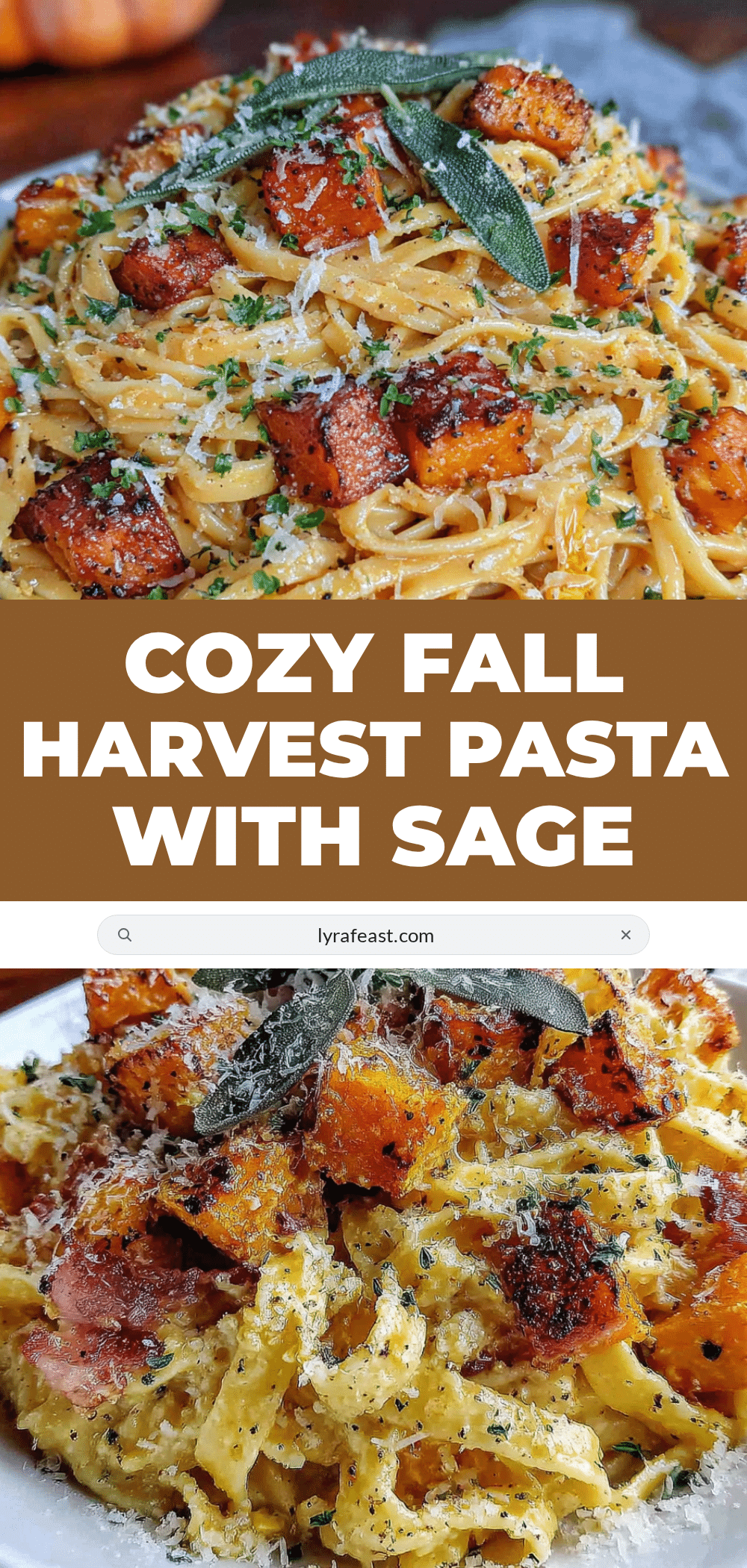
Easy One-Pot Fall Harvest Pasta with Butternut Squash

A quick and easy one-pot pasta featuring butternut squash and sage, perfect for cozy fall nights. The squash breaks down into a creamy sauce without any cream, making this a comforting and crowd-pleasing meal.
- Prep Time: 15 minutes
- Cook Time: 20 minutes
- Total Time: 35 minutes
- Yield: 4 servings 1x
- Category: Main Course
- Cuisine: American
Ingredients
- 1 medium butternut squash (about 2–3 pounds), peeled, seeded, and cut into ½-inch cubes
- 12 ounces short pasta (penne, rigatoni, or fusilli)
- 4 cups vegetable broth (or chicken broth)
- 1 medium yellow onion, diced (about 1 cup)
- 4 cloves garlic, minced
- 2 tablespoons olive oil
- 1 tablespoon unsalted butter
- ½ cup grated Parmesan cheese
- Salt and black pepper to taste
- ¼ teaspoon red pepper flakes (optional)
- 15–20 fresh sage leaves
- 2 tablespoons olive oil (for crisping sage)
Instructions
- Peel the butternut squash, cut off the top and bottom, slice in half lengthwise, scoop out seeds, and cut into ½-inch cubes.
- Heat 2 tablespoons olive oil in a small skillet over medium heat. Add sage leaves in a single layer and cook for 30-45 seconds per side until crispy. Transfer to a paper towel-lined plate and sprinkle with salt. Reserve the sage-infused oil.
- In a large pot or Dutch oven, heat 2 tablespoons olive oil over medium heat. Add diced onion and cook for 4-5 minutes until translucent. Add minced garlic and cook for 30 seconds.
- Add cubed butternut squash, ½ teaspoon salt, and ¼ teaspoon black pepper. Cook for 2-3 minutes, letting the squash get a little color. Pour in vegetable broth and bring to a boil, scraping up any browned bits from the bottom.
- Add pasta, stir well, reduce heat to a gentle simmer, and cover. Cook for 10-12 minutes, stirring every 2-3 minutes to prevent sticking. The pasta will absorb most of the liquid and the squash will break down into a creamy sauce.
- After 10 minutes, check pasta for doneness. It should be al dente. If too firm and liquid is absorbed, add ¼ cup broth or water and cook 2-3 more minutes.
- Remove from heat. Stir in butter and grated Parmesan until melted and glossy. Adjust seasoning with salt, pepper, or red pepper flakes.
- Serve immediately in bowls. Crumble crispy sage leaves on top, drizzle with reserved sage oil, and add extra Parmesan and black pepper.
Notes
Cut squash uniformly for even cooking. Don’t skip crisping the sage—it adds texture and flavor. Stir frequently to prevent sticking. Season in layers for deeper flavor. Grate your own Parmesan for best melting. Leftovers keep in the fridge for up to 4 days and taste even better the next day.
Nutrition
- Serving Size: 1 serving (about 1.5
- Calories: 450
- Sugar: 11
- Sodium: 700
- Fat: 16
- Saturated Fat: 5
- Carbohydrates: 66
- Fiber: 9
- Protein: 13
Keywords: one-pot pasta, fall harvest, butternut squash, sage, easy weeknight dinner, vegetarian pasta, comfort food