“You know that feeling when you open your fridge, hoping for inspiration, and all you see are a bunch of random fresh veggies just begging to be used? That’s exactly how this Easy Pasta Primavera with Fresh Garden Vegetables came to life one breezy Saturday afternoon. I was juggling a cracked mixing bowl (don’t ask), a phone call from a friend, and a half-empty container of cherry tomatoes that needed attention ASAP. Honestly, I wasn’t planning anything fancy—just some quick comfort food with what I had on hand.
It wasn’t until I tossed those vibrant veggies into a sizzling pan, letting their colors pop and mingle with tender pasta, that I realized I’d stumbled onto something truly simple yet satisfying. This recipe felt like a little garden celebration on a plate, reminding me that sometimes the best meals come from the most straightforward ideas.
Maybe you’ve been there too—caught between craving something fresh but not wanting to spend hours in the kitchen. This pasta primavera balances that beautifully. It’s light, colorful, and surprisingly hearty, perfect for when you want dinner that feels both wholesome and effortless. Let me tell you, this dish has become my go-to when I want to treat myself without overcomplicating things. And the best part? It’s so adaptable, you can make it your own with whatever veggies your garden (or grocery store) offers.
Why You’ll Love This Recipe
This Easy Pasta Primavera with Fresh Garden Vegetables isn’t just any pasta dish—it’s the kind of recipe that keeps you coming back. After testing it countless times, I can vouch for its perfection in both flavor and ease. Here’s why it might become your new favorite:
- Quick & Easy: Ready in under 30 minutes, this recipe suits those busy weeknights when time’s tight but you still want something delicious.
- Simple Ingredients: You probably already have most of these veggies and pantry staples, so no need to run to a specialty store.
- Perfect for Seasonal Eating: It highlights fresh garden vegetables, making it ideal for spring and summer meals.
- Crowd-Pleaser: Whether it’s family dinner or casual friends over, this pasta gets raving reviews from both kids and adults.
- Unbelievably Delicious: The combination of crisp-tender vegetables, al dente pasta, and a light garlic-herb sauce makes every bite a delight.
What sets this pasta primavera apart is the way the veggies stay vibrant and just cooked enough to retain their texture—not mushy or overdone. I also like to finish it with a squeeze of fresh lemon juice and a sprinkle of Parmesan (or vegan cheese) for a bright, fresh flavor that pops. Honestly, this isn’t just pasta with vegetables tossed in; it’s a recipe that feels thoughtfully crafted yet effortlessly fresh. If you’re into simple meals that don’t skimp on joy or flavor, this one’s for you.
What Ingredients You Will Need
This recipe uses simple, wholesome ingredients to deliver bold flavor and satisfying texture without the fuss. Most are pantry staples or fresh garden finds, so you can easily swap based on what’s in season or your preferences.
- Pasta: 12 ounces (340 grams) of penne or farfalle works best for holding onto the sauce and veggies.
- Olive Oil: 3 tablespoons of extra virgin olive oil (I always go for Colavita for its rich flavor).
- Garlic: 3 cloves, minced, which add that unmistakable aromatic base.
- Yellow Onion: 1 small, finely chopped, to bring subtle sweetness.
- Cherry Tomatoes: 1 cup, halved (fresh from the market or your garden—trust me, fresh makes a difference).
- Zucchini: 1 medium, sliced into half-moons (feel free to use summer squash if zucchini isn’t available).
- Bell Peppers: 1 cup, diced (a mix of red and yellow adds a lovely pop of color).
- Asparagus: 1 cup, cut into 1-inch pieces (optional but adds great texture).
- Fresh Basil: 1/4 cup, roughly chopped, for that fresh herbaceous note.
- Lemon: Juice of 1 lemon, brightening up the whole dish.
- Grated Parmesan Cheese: 1/3 cup, plus extra for serving (use Parmigiano-Reggiano if you can).
- Salt and Pepper: To taste (preferably kosher salt and freshly cracked black pepper).
- Red Pepper Flakes: Optional, a pinch for a slight kick if you like.
For substitutions: use gluten-free pasta if needed, and swap Parmesan with nutritional yeast or vegan cheese for dairy-free versions. If you don’t have asparagus, green beans or peas work well too. The idea is to keep it fresh and colorful, so feel free to mix and match!
Equipment Needed
- Large Pot: For boiling the pasta. I find a 6-quart pot perfect for this amount.
- Large Skillet or Sauté Pan: To cook the vegetables and combine everything. A heavy-bottomed pan distributes heat evenly.
- Colander: For draining the pasta without losing any precious starchy water.
- Chef’s Knife: For chopping all those fresh veggies (a sharp knife makes prep so much smoother).
- Cutting Board: Preferably large enough to keep everything organized.
- Measuring Cups and Spoons: For precise seasoning and ingredients.
If you don’t have a skillet, a large sauté pan or even a wok can work in a pinch. For budget-friendly options, basic stainless steel pans do just fine—no need for fancy non-stick here since the olive oil keeps things from sticking. I also recommend keeping your knife sharp; dull knives can make chopping a chore and increase the risk of injury. It’s one of those little things that really speeds up the preparation.
Preparation Method
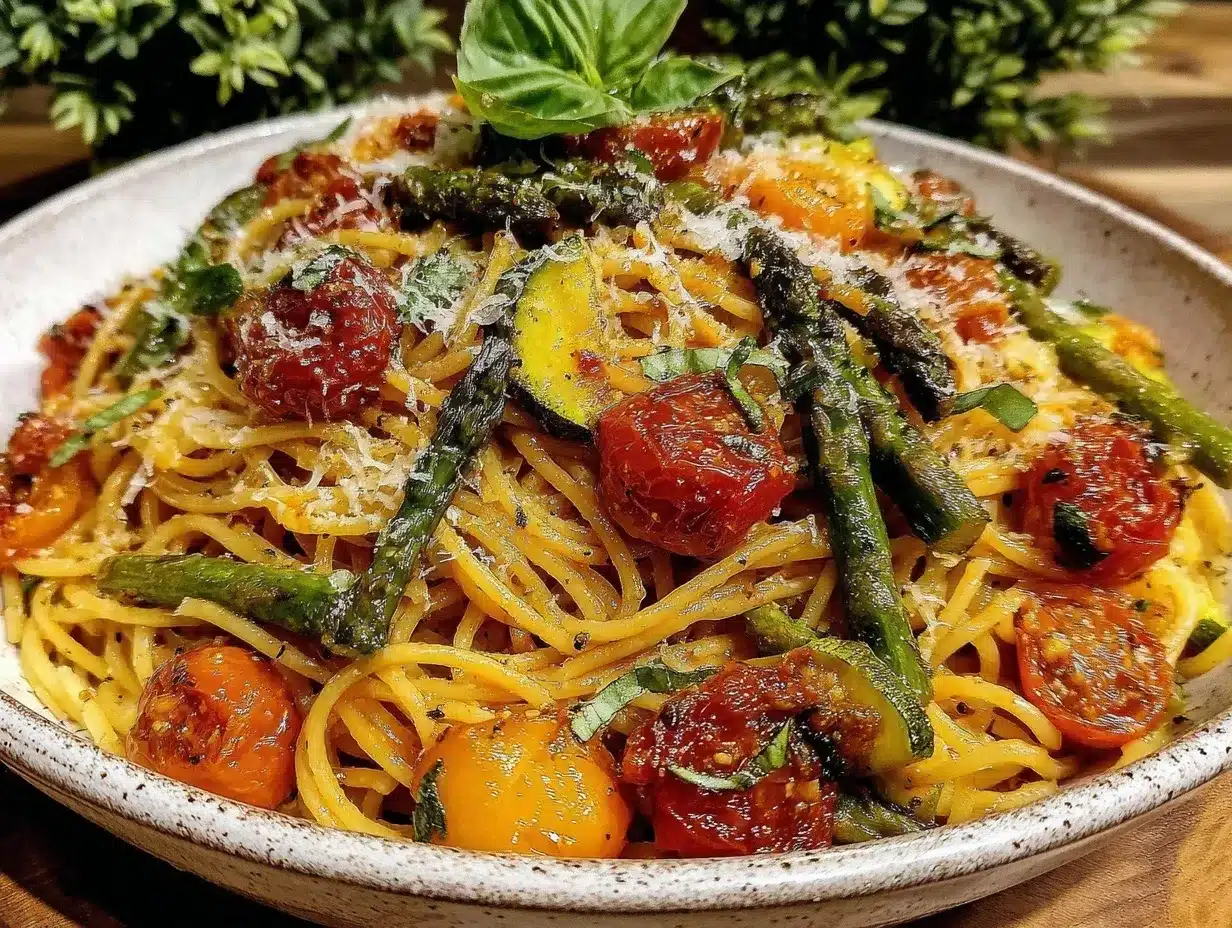
- Bring a large pot of salted water to a boil. Add 12 ounces (340 grams) of your chosen pasta and cook according to package instructions until al dente (usually 9-11 minutes). Stir occasionally to prevent sticking. Remember to reserve about 1 cup of pasta water before draining.
- While pasta cooks, heat 3 tablespoons of extra virgin olive oil in a large skillet over medium heat. Add 3 cloves minced garlic and 1 small finely chopped yellow onion. Sauté for 2-3 minutes until fragrant and translucent—watch carefully so the garlic doesn’t burn, or it will taste bitter.
- Add the chopped vegetables: 1 cup halved cherry tomatoes, 1 medium zucchini sliced into half-moons, 1 cup diced bell peppers, and 1 cup asparagus pieces (if using). Cook for about 5-7 minutes, stirring occasionally, until the vegetables are tender but still crisp. You want them to keep their color and bite, so avoid overcooking.
- Season with salt, freshly ground black pepper, and a pinch of red pepper flakes if you like a little heat. Stir to combine.
- Drain the pasta and add it directly to the skillet with the veggies. Toss everything together gently. If the mixture seems dry, add reserved pasta water a little at a time until you reach your desired consistency. This starchy water helps the sauce cling to the pasta.
- Remove from heat and stir in 1/4 cup chopped fresh basil, juice of 1 lemon, and 1/3 cup grated Parmesan cheese. Toss again until the cheese melts and everything is nicely coated.
- Give it a taste and adjust seasoning with extra salt, pepper, or lemon juice if needed. Serve immediately with extra Parmesan on the side.
Quick tip: While cooking, if you notice the garlic is browning too fast, lower the heat and stir more frequently. This little detail makes a big difference in flavor. Also, I like to chop the veggies uniformly so they cook evenly. If you’re short on time, feel free to prep the veggies ahead and keep them refrigerated for up to a day.
Cooking Tips & Techniques
One trick I learned the hard way is to never overcook your vegetables in this dish. You want them tender but with a slight crunch—this contrast keeps the pasta primavera from turning into a soggy mess. Timing really matters; start the veggie sauté as the pasta begins to boil to sync up their readiness.
Another tip is to save some pasta water before draining. That starchy water is your secret weapon for a silky, cohesive sauce that clings perfectly to each noodle. I tend to add it gradually, so I don’t end up with a watery dish.
Use fresh herbs like basil at the end to keep their aroma and flavor vibrant. Adding them too early tends to make them bitter and dull.
When it comes to cheese, freshly grated Parmesan is a game-changer. Pre-grated varieties just don’t melt the same way and can affect the texture.
Finally, don’t be afraid to tweak the seasoning. A little extra lemon juice or a pinch more salt at the end can transform the dish from good to unforgettable. I’ve learned this through many trial runs—sometimes, the simplest ingredients need that little nudge to sing.
Variations & Adaptations
This pasta primavera is a flexible canvas, so feel free to personalize it!
- Dietary Adaptations: Swap regular pasta for gluten-free or whole wheat options. Use nutritional yeast or vegan cheese instead of Parmesan for a dairy-free twist.
- Seasonal Swaps: In autumn, replace zucchini and asparagus with roasted butternut squash and kale. Winter versions can include roasted root vegetables like carrots and parsnips.
- Protein Additions: Toss in grilled chicken, shrimp, or chickpeas for a heartier meal. I once added crispy pancetta for a smoky touch that blew everyone away.
- Cooking Methods: If you prefer roasting vegetables, try roasting the bell peppers, zucchini, and asparagus at 425°F (220°C) for 15-20 minutes, then toss with the pasta at the end for a deeper flavor.
Personally, I love adding a handful of arugula right before serving for a peppery bite. It’s a little trick I picked up from a friend and now can’t live without.
Serving & Storage Suggestions
Serve this pasta primavera warm, fresh from the pan, with an extra sprinkle of Parmesan and a wedge of lemon on the side. It pairs wonderfully with a crisp white wine or a sparkling water with a splash of citrus.
If you’re making it ahead, store leftovers in an airtight container in the refrigerator for up to 3 days. When reheating, add a splash of water or broth to loosen the sauce and warm gently on the stovetop to avoid drying out.
Flavors actually mellow and blend nicely if you let it rest overnight, so sometimes I make it a day ahead and find it tastes even better the next day. Just be sure to add fresh basil or herbs before serving to keep that fresh garden vibe alive.
Nutritional Information & Benefits
This Easy Pasta Primavera is a balanced dish, offering a good mix of carbohydrates, fiber, and vitamins from fresh vegetables. A typical serving contains approximately 400-450 calories, with plenty of vitamin C, A, and potassium from the garden veggies.
The olive oil provides heart-healthy fats, while the Parmesan adds calcium and protein. This recipe is naturally vegetarian and can be made vegan easily, making it suitable for a variety of dietary needs.
Because it features fresh vegetables, it’s a great way to boost your daily nutrient intake without feeling heavy. I often recommend it to friends looking for a meal that’s both nourishing and comforting without being overly rich.
Conclusion
Honestly, this Easy Pasta Primavera with Fresh Garden Vegetables is one of those recipes that feels like a celebration of simple, fresh ingredients done right. It’s quick, colorful, and full of flavor—perfect for busy nights or lazy weekends when you want something wholesome but fuss-free.
Feel free to make it your own by swapping veggies, adding proteins, or experimenting with herbs and spices. That’s the beauty of this recipe: it invites creativity while staying reliably delicious.
I keep making it because it reminds me of sunny afternoons, friendly chats, and the joy of eating something truly fresh. I hope you enjoy it just as much—let me know how you customize it or what veggies you add! Your feedback always makes my day.
FAQs
- Can I use frozen vegetables for this pasta primavera?
Yes, frozen vegetables can work in a pinch! Just thaw and drain any excess water before sautéing to avoid a soggy dish. - What pasta shapes work best for primavera?
Penne, farfalle, or rigatoni are excellent because their shapes hold the sauce and veggies well. - How can I make this dish vegan?
Simply omit the Parmesan or replace it with nutritional yeast or a plant-based cheese alternative. - Is it okay to prepare the vegetables ahead of time?
Definitely! Chopping the veggies a day ahead saves time and keeps your cooking process smooth. - Can I add protein to this pasta?
Absolutely! Grilled chicken, shrimp, or even chickpeas make great additions to boost protein.
Pin This Recipe!
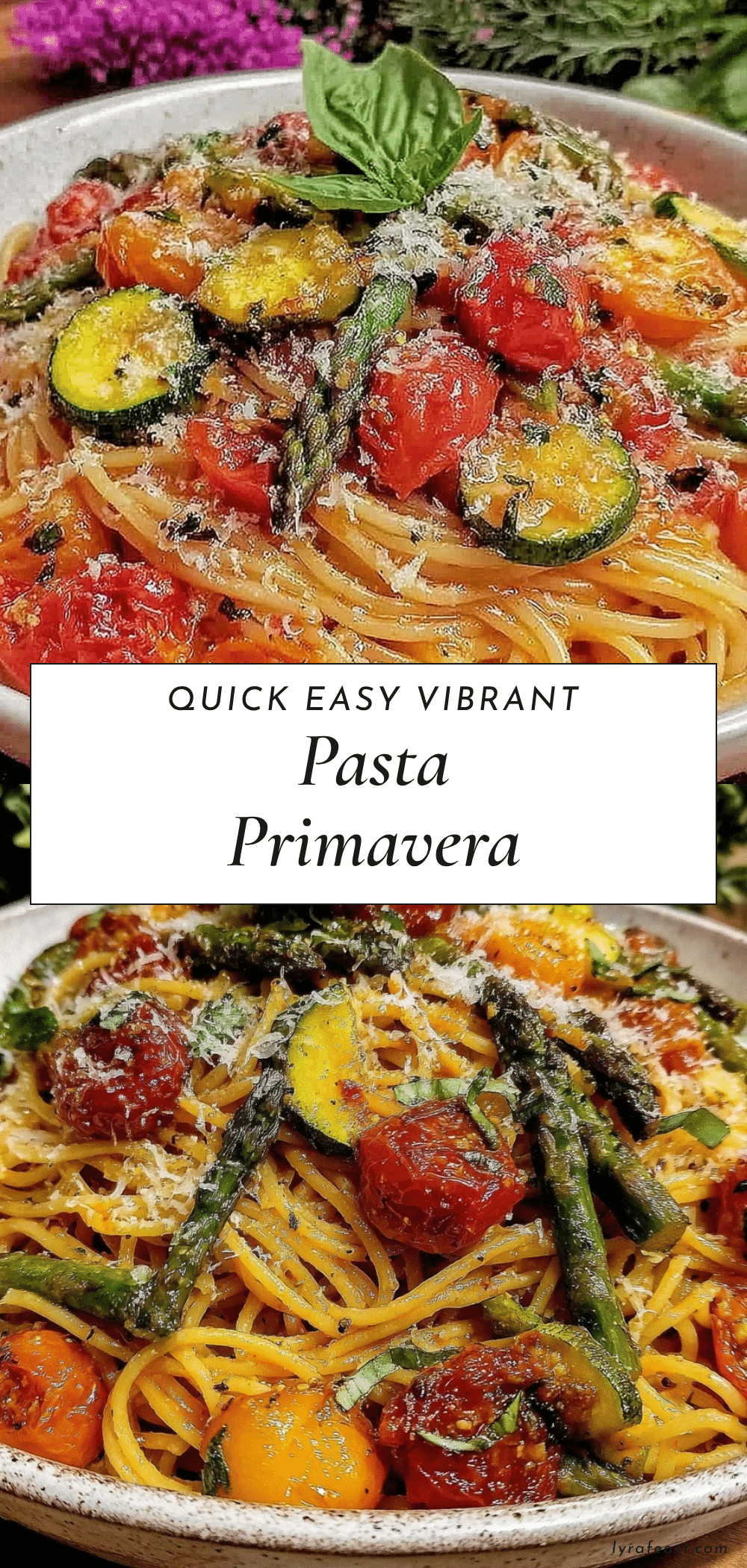
Easy Pasta Primavera Recipe with Fresh Garden Vegetables for Perfect Dinner
A quick and colorful pasta primavera featuring fresh garden vegetables, perfect for a wholesome and effortless dinner. This recipe balances vibrant veggies with tender pasta and a light garlic-herb sauce.
- Prep Time: 10 minutes
- Cook Time: 20 minutes
- Total Time: 30 minutes
- Yield: 4 servings 1x
- Category: Main Course
- Cuisine: Italian
Ingredients
- 12 ounces penne or farfalle pasta
- 3 tablespoons extra virgin olive oil
- 3 cloves garlic, minced
- 1 small yellow onion, finely chopped
- 1 cup cherry tomatoes, halved
- 1 medium zucchini, sliced into half-moons
- 1 cup bell peppers, diced (mix of red and yellow)
- 1 cup asparagus, cut into 1-inch pieces (optional)
- 1/4 cup fresh basil, roughly chopped
- Juice of 1 lemon
- 1/3 cup grated Parmesan cheese, plus extra for serving
- Salt and freshly ground black pepper, to taste
- Pinch of red pepper flakes (optional)
Instructions
- Bring a large pot of salted water to a boil. Add 12 ounces of pasta and cook according to package instructions until al dente (9-11 minutes). Stir occasionally to prevent sticking. Reserve about 1 cup of pasta water before draining.
- While pasta cooks, heat 3 tablespoons of extra virgin olive oil in a large skillet over medium heat. Add minced garlic and chopped onion. Sauté for 2-3 minutes until fragrant and translucent, being careful not to burn the garlic.
- Add cherry tomatoes, zucchini, bell peppers, and asparagus (if using). Cook for 5-7 minutes, stirring occasionally, until vegetables are tender but still crisp.
- Season with salt, black pepper, and red pepper flakes if desired. Stir to combine.
- Drain the pasta and add it directly to the skillet with the vegetables. Toss gently. Add reserved pasta water a little at a time if the mixture seems dry to reach desired consistency.
- Remove from heat and stir in chopped fresh basil, lemon juice, and grated Parmesan cheese. Toss until cheese melts and everything is coated.
- Taste and adjust seasoning with extra salt, pepper, or lemon juice if needed. Serve immediately with extra Parmesan on the side.
Notes
Do not overcook the vegetables; they should remain tender but crisp. Reserve pasta water to create a silky sauce that clings to the pasta. Use fresh basil at the end to preserve its aroma and flavor. Freshly grated Parmesan melts better than pre-grated. Adjust seasoning with lemon juice and salt to enhance flavor. Vegetables can be prepped a day ahead and stored refrigerated. Frozen vegetables can be used if thawed and drained well.
Nutrition
- Serving Size: 1 serving (approxima
- Calories: 425
- Sugar: 8
- Sodium: 350
- Fat: 15
- Saturated Fat: 3
- Carbohydrates: 55
- Fiber: 6
- Protein: 14
Keywords: pasta primavera, easy pasta recipe, fresh vegetables, garden vegetables, quick dinner, vegetarian pasta, healthy pasta, spring recipe, summer recipe