Introduction
“You ever just stand outside on a Sunday morning, the smell of hickory smoke swirling through the air, and suddenly realize that what you’re smelling is pure magic?” That’s exactly what happened to me last summer when I stumbled upon an old smoker tucked away behind a little barbecue joint off a dusty Texas highway. The owner, a quiet man named Earl, caught me watching the smoke curl and invited me for a taste of his brisket. Honestly, I wasn’t expecting much—just another smoky meat. But that first bite? It was like the whole world slowed down.
Turns out, Earl had been perfecting his beef brisket for over 40 years, a true Texas pitmaster with a secret rub and a patience for low-and-slow cooking that I’d never seen before. I scribbled down his tips on a napkin while nursing a cold beer, a little messy and smudged, but priceless. That afternoon changed how I think about brisket forever. I mean, maybe you’ve been there—hungry for something real, something that feels like a tradition passed down through the smoke.
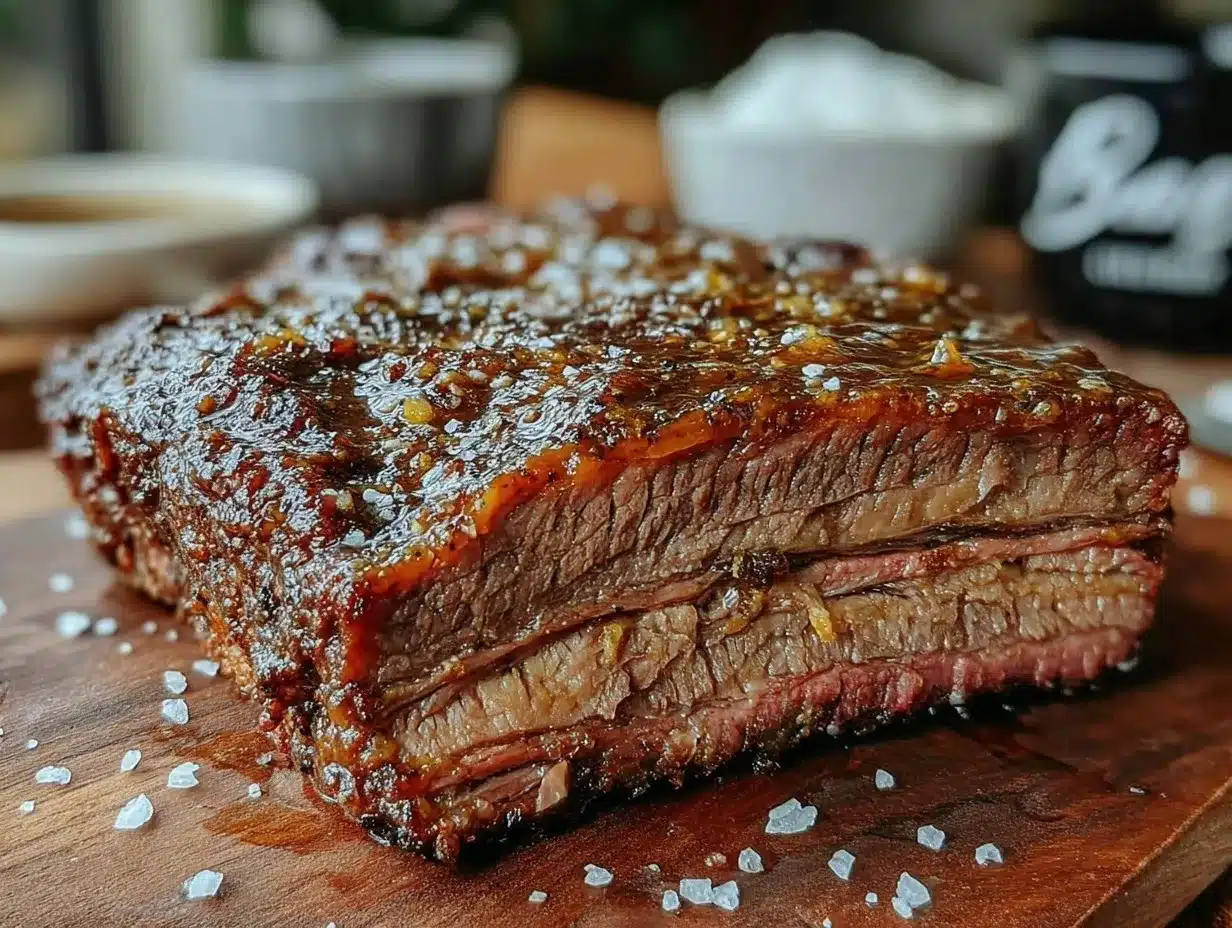
Since then, I’ve taken that recipe home, experimented, burned a few batches (don’t ask), and finally landed on what I call my “Perfect Homemade Beef Brisket Texas Pitmaster Style.” It’s got that rich bark, the melt-in-your-mouth tenderness, and the smoky punch you crave. Let me tell you, it’s worth every minute of waiting, and I’m about to share all the secrets with you.
Why You’ll Love This Recipe
After countless trials and late-night smoke sessions, this beef brisket recipe became a staple for anyone wanting that genuine Texas pitmaster experience right at home. Here’s why you’ll keep making it:
- Authentic Flavor: This recipe captures the signature Texas smoke ring and bark that pitmasters swear by.
- Simple Ingredients: No need for fancy rubs or marinades—just good quality beef and a straightforward spice blend.
- Perfect for Gatherings: Whether it’s a weekend cookout or a family dinner, this brisket impresses without stress.
- Hands-Off Cooking: Once prepped, it’s mostly about patience and a watchful eye on your smoker or grill.
- Proven Technique: The method has been tested and tweaked to get that ideal smoke, bark, and juiciness every time.
What sets this apart is the balance between a peppery, savory rub and the slow smoke that lets the beef’s natural flavors shine. I also love the way the brisket finishes—wrapped just right to hold moisture but still letting the bark stay crisp. Honestly, it’s the kind of recipe that makes you pause and savor each bite, maybe even close your eyes and pretend you’re in a Texas backyard on a warm, breezy afternoon.
What Ingredients You Will Need
This recipe keeps things straightforward with pantry-friendly spices and quality beef. Here’s what you’ll want to gather before firing up the smoker:
- Beef Brisket: 10-12 pounds, whole packer cut (includes both flat and point)
- Rub Ingredients:
- 1/4 cup kosher salt (I prefer Diamond Crystal for its texture)
- 1/4 cup coarse black pepper (freshly cracked if possible)
- 2 tablespoons smoked paprika (adds subtle smoky depth)
- 1 tablespoon garlic powder
- 1 tablespoon onion powder
- 1 tablespoon chili powder (optional, for a slight kick)
- 1 teaspoon cayenne pepper (use sparingly for mild heat)
- Wood for Smoking: Post oak or hickory chunks (classic Texas choices)
- Spritzing Liquid: 1 cup apple cider vinegar mixed with 1 cup water (keeps the brisket moist during cooking)
If you’re looking for a twist, you can swap smoked paprika for regular paprika or add a touch of brown sugar for a hint of sweetness. For a gluten-free option, all these spices are naturally gluten-free, so no worries there. The key is using a whole packer brisket to get the best mix of lean and fat for tenderness and flavor.
Equipment Needed
To nail down that Texas pitmaster style, you’ll want to have the right tools at hand:
- Smoker or Charcoal Grill: A dedicated smoker is ideal, but you can use a charcoal grill set up for indirect heat.
- Meat Thermometer: A digital probe thermometer with an alarm is a lifesaver for tracking internal temperature without opening the smoker too often.
- Spray Bottle: For the spritzing liquid to keep the brisket moist.
- Sharp Knife: For trimming the brisket and slicing after cooking.
- Cutting Board with Grooves: Helps catch juices when slicing.
If you don’t have a smoker, a charcoal grill will do, but it takes a bit more attention to maintain the right temperature. I’ve tried electric smokers too, and while convenient, they sometimes miss that authentic bark I love. Just remember to clean your thermometer probe with a little rubbing alcohol after each use — it keeps the readings accurate and your gear in good shape.
Preparation Method
- Trim the Brisket: Start by trimming excess fat off the brisket, leaving about 1/4 inch of fat cap to protect the meat during cooking. This step usually takes 15-20 minutes. Be careful not to remove too much fat; that layer helps keep the brisket juicy.
- Apply the Rub: Mix your rub ingredients in a bowl, then generously coat the entire brisket on all sides. Pat it in well — don’t just sprinkle it on. This helps form that famous Texas bark. Let the brisket sit at room temperature for about 30 minutes to absorb the spices.
- Prepare the Smoker: Preheat your smoker or grill to 225°F (107°C). Add your wood chunks to the charcoal or smoker box. Maintaining a steady temperature is key, so plan for about 1 to 1.25 hours per pound of brisket.
- Place the Brisket on the Smoker: Fat side up, so the melting fat bastes the meat. Insert your probe thermometer into the thickest part of the flat.
- Smoke and Spritz: Every hour or so, spritz the brisket with the apple cider vinegar and water mixture. This keeps the bark moist and adds a subtle tang. Avoid opening the smoker too often—each time you do, temperature drops and smoke escapes.
- Wrap the Brisket: When the internal temperature hits around 165°F (74°C) and the bark looks set, wrap the brisket tightly in butcher paper or foil. This step, sometimes called the “Texas crutch,” traps moisture and speeds up cooking.
- Finish Cooking: Continue smoking until the internal temperature reaches 203°F (95°C). This is when the collagen breaks down, making the brisket tender. This can take 10-14 hours depending on size.
- Rest the Meat: Once done, let the brisket rest wrapped for at least an hour before slicing. I usually rest it in a cooler with towels to keep it warm. This step is crucial for juicy slices.
- Slice and Serve: Slice against the grain for tender bites. Serve with your favorite barbecue sauce or just straight up with the smoky bark.
Pro tip: If the bark softens after wrapping, don’t worry—it’s normal. And if you forget to spritz once or twice, the brisket will still be delicious. The key is patience and keeping a close eye on your temperature.
Cooking Tips & Techniques
Getting brisket right is a bit like a dance—you’ve got to listen to the meat and the smoke. Here are some tips I’ve learned the hard way:
- Maintain Steady Heat: Fluctuating temps can ruin a brisket. Use a good thermometer and adjust vents slowly.
- Don’t Skip the Rest: I once sliced my brisket right away—huge mistake. Resting lets juices redistribute, so don’t be impatient.
- Use Butcher Paper Instead of Foil: Paper breathes a bit, helping keep bark crispier. Foil tends to create a steamed effect.
- Trim Fat Carefully: Too little fat, and the meat dries out; too much, and your rub won’t penetrate well.
- Practice Makes Perfect: Every brisket and smoker is a little different. Jot down notes on each cook to refine your timing and technique.
Honestly, the first time I tried this recipe, I over-smoked the brisket because I was so nervous. The bark got a bit too dark, but the inside was still tender. Learning to read the color and feel of the bark is just as important as watching the thermometer.
Variations & Adaptations
If you want to tweak the recipe or cater to different tastes, here are some ideas:
- Spice Variations: Swap out chili powder for ancho powder for a smokier flavor, or add coffee grounds to your rub for a deep, earthy note.
- Cooking Method: Try smoking in a pellet grill for easier temperature management or use a slow cooker for a quicker, less smoky version (though you’ll miss that bark).
- Dietary Adjustments: Use a sugar-free rub mix if you’re watching carbs or avoid cayenne for a milder bite.
- Personal Twist: I once experimented with a mustard-based binder under the rub—it helped the spices stick better and added a subtle tang.
Feel free to add a splash of your favorite barbecue sauce after slicing, but this brisket stands perfectly on its own. It’s the kind of recipe that welcomes your creativity without losing its core soul.
Serving & Storage Suggestions
This brisket is best served warm, sliced thin against the grain. I like to plate it with classic sides like creamy coleslaw, baked beans, or even some creamy mashed potatoes to soak up the juices. A cold beer or iced tea pairs beautifully too.
To store, wrap leftover brisket tightly in foil or butcher paper and refrigerate for up to 4 days. For longer storage, freeze slices in airtight containers or vacuum-sealed bags for up to 3 months.
When reheating, do it gently—wrap in foil and warm in a 275°F (135°C) oven until heated through. Adding a little beef broth or spritzing with the vinegar mix before reheating helps keep it moist.
Flavors actually deepen the day after cooking, so leftovers might steal the show at lunch the next day. Just reheat carefully, and you’ve got a delicious meal waiting.
Nutritional Information & Benefits
Per serving (approx. 4 oz / 113g):
| Calories | 320 |
|---|---|
| Protein | 28g |
| Fat | 22g |
| Carbohydrates | 1g |
Beef brisket is a great source of high-quality protein and essential nutrients like iron and zinc. Using a simple rub without added sugars keeps this recipe low-carb and gluten-free, making it suitable for many diets. Just be mindful of portion sizes if you’re watching saturated fat intake.
From my experience, this recipe feels like indulgence without guilt, especially when paired with fresh, seasonal sides. It’s comfort food that respects wholesome ingredients and traditional cooking methods.
Conclusion
Perfecting homemade beef brisket Texas pitmaster style takes time, but every smoky, tender bite makes the journey worthwhile. This recipe isn’t just about food; it’s about savoring a tradition, a story, and a moment shared around the smoker. I encourage you to make it your own—adjust the rub, try different woods, and find that sweet spot between bark and tenderness that speaks to you.
Honestly, I keep coming back to this brisket because it reminds me of that dusty Texas afternoon and the kindness of a stranger who shared his craft over a cold drink. If you try it, I’d love to hear how it turned out for you—drop a comment or share your tweaks. Happy smoking, and here’s to many delicious meals ahead!
Frequently Asked Questions
How long does it take to smoke a 10-pound brisket?
Expect roughly 10 to 12 hours at 225°F (107°C), but always rely on internal temperature rather than time alone.
Can I use a charcoal grill instead of a smoker?
Yes! Set up your grill for indirect heat and add wood chunks for smoke. It requires more attention but works well.
Why do you wrap the brisket during cooking?
Wrapping helps retain moisture and speeds cooking once the bark has developed, preventing the meat from drying out.
What if my brisket isn’t tender after smoking?
It likely needs more time. Aim for an internal temperature around 203°F (95°C) and rest it properly—tough brisket usually means undercooked collagen.
Can I prepare the rub in advance?
Absolutely! Making the rub ahead lets the flavors meld, and it’s convenient for last-minute cooks.
Pin This Recipe!
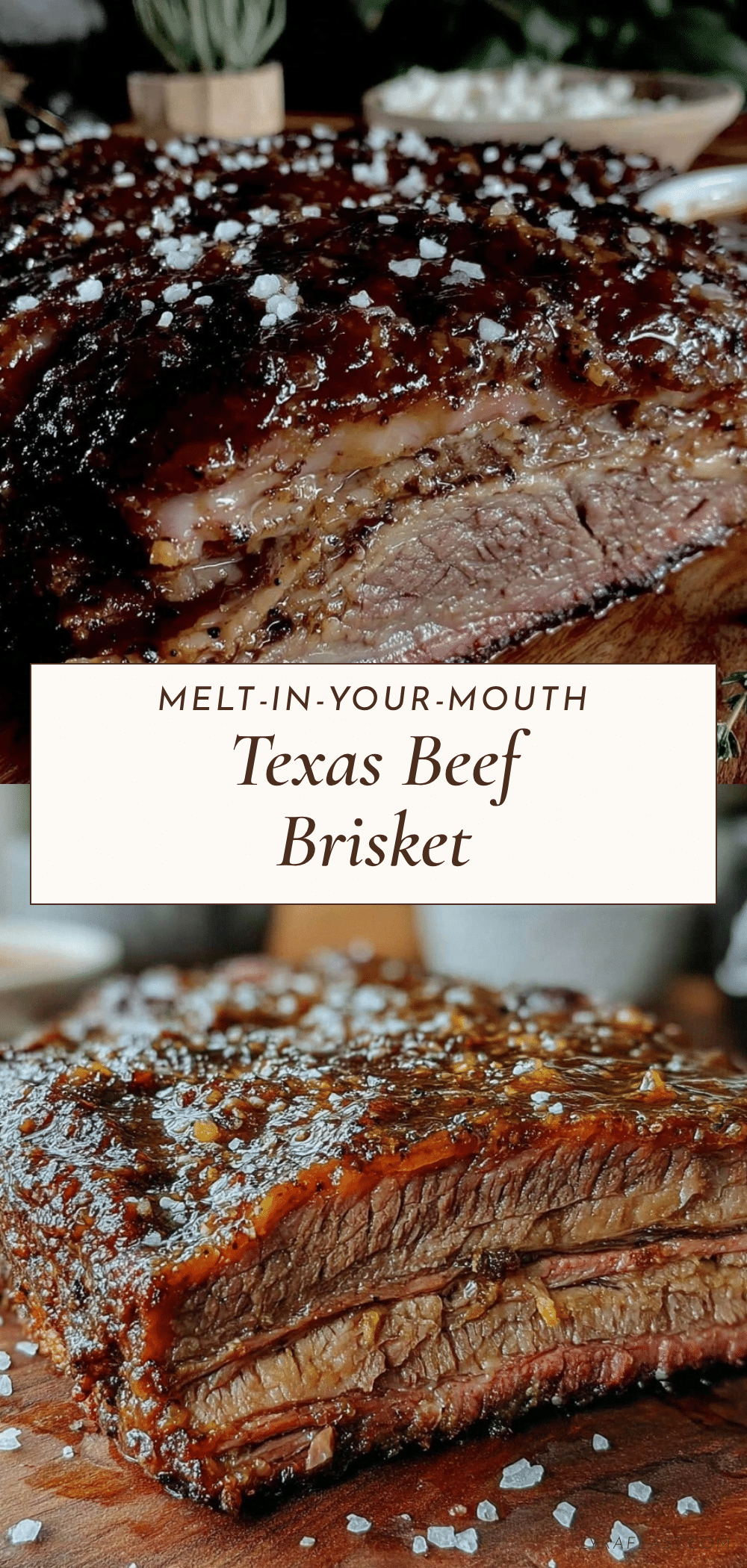
Perfect Homemade Beef Brisket Recipe Texas Pitmaster Style Easy Steps
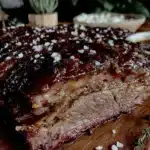
This authentic Texas pitmaster style beef brisket recipe delivers rich bark, melt-in-your-mouth tenderness, and a smoky punch with simple ingredients and a proven low-and-slow smoking technique.
- Prep Time: 50 minutes
- Cook Time: 10 to 14 hours
- Total Time: 10 hours 50 minutes to 14 hours 50 minutes
- Yield: 10-12 servings 1x
- Category: Main Course
- Cuisine: Texan, American
Ingredients
- 10–12 pounds whole packer beef brisket (includes both flat and point)
- 1/4 cup kosher salt (Diamond Crystal preferred)
- 1/4 cup coarse black pepper (freshly cracked if possible)
- 2 tablespoons smoked paprika
- 1 tablespoon garlic powder
- 1 tablespoon onion powder
- 1 tablespoon chili powder (optional)
- 1 teaspoon cayenne pepper
- Post oak or hickory wood chunks for smoking
- 1 cup apple cider vinegar
- 1 cup water
Instructions
- Trim excess fat off the brisket, leaving about 1/4 inch of fat cap to protect the meat during cooking.
- Mix rub ingredients in a bowl and generously coat the entire brisket on all sides, patting it in well.
- Let the brisket sit at room temperature for about 30 minutes to absorb the spices.
- Preheat smoker or charcoal grill to 225°F (107°C) and add wood chunks to the charcoal or smoker box.
- Place the brisket fat side up on the smoker and insert a probe thermometer into the thickest part of the flat.
- Every hour, spritz the brisket with the apple cider vinegar and water mixture to keep it moist.
- When the internal temperature reaches around 165°F (74°C) and the bark looks set, wrap the brisket tightly in butcher paper or foil.
- Continue smoking until the internal temperature reaches 203°F (95°C), which can take 10-14 hours depending on size.
- Let the brisket rest wrapped for at least one hour before slicing.
- Slice against the grain and serve with your favorite barbecue sauce or as is.
Notes
Maintain steady heat to avoid temperature fluctuations. Rest the brisket for at least one hour to redistribute juices. Use butcher paper instead of foil to keep bark crispier. If bark softens after wrapping, it is normal. Spritzing can be missed once or twice without major impact. Clean thermometer probe with rubbing alcohol after each use.
Nutrition
- Serving Size: Approx. 4 oz (113g)
- Calories: 320
- Fat: 22
- Carbohydrates: 1
- Protein: 28
Keywords: beef brisket, Texas brisket, smoked brisket, barbecue, pitmaster, low and slow cooking, smoked meat, homemade brisket