My roommate had insisted for years that elderberry syrup was just another health fad—“tasteless and overhyped,” she’d say every time I mentioned it. For nearly a decade, she refused to even try it. Then one chilly Thursday evening, I was brewing a batch of this Healthy Homemade Elderberry Syrup with Cinnamon & Clove quietly in the kitchen, mostly for myself. A few hours later, I caught her sneaking a spoonful straight from the jar. She didn’t even try to hide it, honestly.
It wasn’t some flashy moment; no big speeches or dramatic conversions. She just tasted it, paused, and said, “Okay, this is actually pretty good.” And that was it. I mean, sure, the warm aroma of cinnamon and clove swirling around the house might’ve done half the work, but the deep, rich elderberry flavor with just the right hint of spice was what really won her over. Maybe you’ve been there—skeptical about a simple remedy that suddenly feels like a secret weapon against the sniffles and the cold weather blues.
This elderberry syrup recipe stayed with me because it’s not just about health; it’s about comfort, ritual, and having something homemade that tastes like a hug in a bottle. I keep making it every fall and winter, not because I have to, but because I want to. And if it can quietly convince a skeptic like my roommate, maybe it’ll charm you, too.
Why You’ll Love This Recipe
Honestly, this Healthy Homemade Elderberry Syrup with Cinnamon & Clove isn’t your run-of-the-mill syrup. I’ve tested plenty of elderberry recipes, and this one nails the balance between immunity-boosting benefits and flavor that’s actually enjoyable. Here’s why it’s become a staple in my kitchen:
- Quick & Easy: Ready in just under 45 minutes, this syrup fits perfectly into busy days or last-minute health boosts.
- Simple Ingredients: No need to hunt down exotic items—elderberries, cinnamon sticks, and cloves are often found in well-stocked grocery stores or online.
- Perfect for Immune Support: Packed with antioxidants and natural antivirals, it’s a go-to during cold seasons or whenever you need a little extra defense.
- Crowd-Pleaser: Kids and adults both love the warm, slightly sweet flavor—no bitter aftertaste here.
- Unbelievably Delicious: The cozy spices complement the tart elderberries in a way that feels like comfort food for your soul.
What sets this version apart? I gently simmer the elderberries with cinnamon and clove, allowing the spices to infuse deeply without overpowering the syrup. Plus, I sweeten it with just a touch of raw honey, which adds natural sweetness and extra antimicrobial properties. Honestly, this isn’t just syrup—it’s a ritual you’ll want to keep on repeating, especially when the days get shorter and the sniffles start creeping in.
What Ingredients You Will Need
This recipe uses simple, wholesome ingredients to deliver bold flavor and immune support without fuss or fancy shopping trips. Here’s what you’ll need:
- Dried elderberries (1 cup / 150g) – Look for organic, small-curd elderberries for the best potency. I usually get mine from a trusted brand like Starwest Botanicals.
- Water (4 cups / 1 liter) – Use filtered water if possible for a cleaner taste.
- Cinnamon sticks (2 sticks) – Whole sticks infuse better than ground cinnamon, giving a warm, subtle spice.
- Cloves (5 whole cloves) – Adds a gentle aromatic depth; don’t overdo it or it can get bitter.
- Fresh ginger root (1-inch piece, sliced) – Optional but highly recommended for an extra zing and immune boost.
- Raw honey (½ to ¾ cup / 120-180ml) – Adds sweetness and natural antimicrobial properties. Use local honey if you can.
- Fresh lemon juice (from 1 lemon) – Brightens the flavor and adds vitamin C.
If you don’t have fresh ginger, dried ground ginger (½ teaspoon) works fine. For a vegan version, swap raw honey with maple syrup or agave nectar, though the flavor will be slightly different. In summer, you might try adding fresh elderberries if you can find them, but dried elderberries offer consistent flavor year-round.
Equipment Needed
To make this elderberry syrup, you don’t need anything fancy, but here’s what I recommend:
- A medium-sized saucepan (about 3-4 quarts / liters) – A heavy-bottomed pan helps prevent scorching.
- A fine mesh strainer or cheesecloth – To strain the syrup and catch all the berry bits and spices.
- A wooden spoon or heat-resistant spatula – For gentle stirring.
- Measuring cups and spoons – For precise ingredient amounts.
- Glass jars or bottles for storage – I like dark glass bottles to protect the syrup from light and keep it fresh longer.
If you don’t have cheesecloth, a clean kitchen towel or coffee filter can work in a pinch, though it might take longer to strain. I’ve found that using a funnel when bottling helps avoid drips and messes. Keeping your saucepan well-seasoned and clean helps avoid any off-flavors, especially since elderberries can stain easily.
Preparation Method
- Combine elderberries and spices: In your medium saucepan, add 1 cup (150g) dried elderberries, 2 cinnamon sticks, 5 whole cloves, and the sliced 1-inch piece of fresh ginger.
- Add water: Pour in 4 cups (1 liter) filtered water. Stir gently to combine.
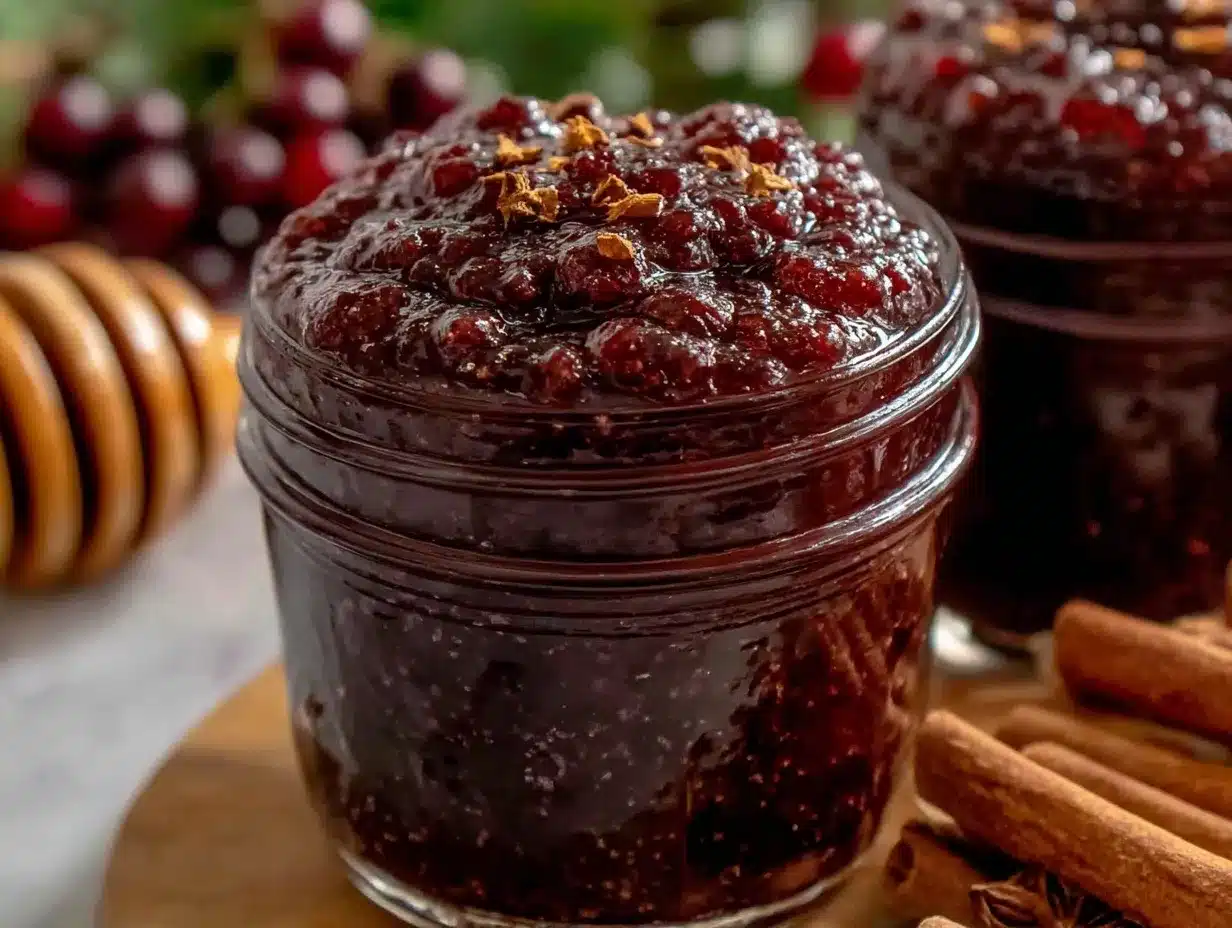
- Simmer gently: Bring the mixture to a boil over medium-high heat. Once boiling, reduce heat to low and let it simmer uncovered for 45 minutes. You’ll notice the liquid turning deep purple and aromatic—the cinnamon and clove slowly releasing their magic.
- Strain the syrup: Remove the saucepan from heat. Using a fine mesh strainer or cheesecloth, carefully strain the liquid into a heatproof bowl or pitcher. Press the solids gently with the back of a spoon to extract as much juice as possible, but avoid forcing too hard to prevent bitterness.
- Sweeten the syrup: While the liquid is still warm (not hot), stir in ½ to ¾ cup (120-180ml) raw honey, adjusting sweetness to your preference. Adding honey when too hot can destroy some of its beneficial properties, so let the syrup cool slightly first.
- Add lemon juice: Squeeze the juice of one fresh lemon into the syrup and stir well. This not only brightens the flavor but also helps preserve the syrup.
- Bottle & store: Pour the syrup into clean glass jars or bottles, seal tightly, and store in the refrigerator. It will keep for up to 3 weeks.
Sometimes, the syrup thickens as it cools. If you prefer a thinner consistency, you can stir in a little warm water before bottling. Also, if you notice any sediment settling after refrigeration, just give the bottle a gentle shake before use.
Cooking Tips & Techniques
For the best results with your elderberry syrup, here are some tips I’ve picked up from trial, error, and a few messes along the way:
- Don’t rush the simmer: The 45-minute gentle simmer is key to extracting all those immune-boosting compounds and infusing the spices without bitterness. I’ve tried shorter cooking times, but the flavor just isn’t as rich.
- Strain carefully: Pressing the elderberries too hard during straining can make the syrup bitter. Let gravity do most of the work.
- Add honey off heat: Adding honey when the syrup is too hot can kill some of its beneficial enzymes. I usually wait until it’s warm, not boiling.
- Use fresh lemon juice: Bottled lemon juice works in a pinch, but fresh lemon really lifts the flavor and helps preservation.
- Multi-task while simmering: Since the syrup needs to simmer for 45 minutes, it’s a great time to prep other parts of your meal or tidy up. Just keep an eye on it so it doesn’t boil over.
I once forgot about the simmer for a bit too long, and the syrup reduced down almost like a molasses—delicious, but too intense for daily use. Learning from those moments, I set a timer now, which saves me from my own kitchen distractions.
Variations & Adaptations
This elderberry syrup recipe is pretty flexible, which I love because it lets you tweak it to your taste or dietary needs:
- Spice it up: Add a pinch of ground black pepper or a star anise pod during simmering for a different aromatic twist.
- Make it sugar-free: Skip the honey and sweeten with stevia or erythritol, but be aware the texture and taste will change slightly.
- Vegan swap: Replace raw honey with maple syrup or agave nectar for a plant-based option. I’ve tried this during spring cleanses, and it’s still tasty, just a bit milder.
- Boost with other herbs: Try adding a few dried elderflowers or a sprig of fresh thyme while simmering for extra immune support.
- Adjust for fresh elderberries: If you stumble upon fresh elderberries in season, use about 2 cups (300g), and reduce the water slightly. Fresh berries cook faster, so simmer for 30 minutes instead.
I once added a little turmeric powder during a cold season, and it gave the syrup a subtle golden hue and an extra anti-inflammatory punch. It’s a tasty way to make this syrup even more wellness-packed.
Serving & Storage Suggestions
Serving this syrup couldn’t be easier. Most days, I take it straight by the spoonful—1 tablespoon (15ml) daily during cold months—or mix it into warm tea for a soothing treat. It’s lovely drizzled over yogurt or stirred into a smoothie, too.
Store the syrup in airtight glass containers in the fridge where it keeps well for up to three weeks. For longer storage, you can freeze it in ice cube trays and pop out cubes as needed. When reheating, warm gently—avoid boiling—to preserve the honey’s benefits.
Over time, the flavors meld and mellow. I often find the syrup tastes even better after a couple of days in the fridge, so making a batch ahead of time is a smart move. Pair it with cozy dishes like cinnamon-spiced oatmeal or a comforting cup of chamomile tea for a full immune-boosting routine.
Nutritional Information & Benefits
Per tablespoon (15ml) serving, this elderberry syrup provides approximately:
| Calories | 30-40 |
|---|---|
| Carbohydrates | 8-10g (mainly from honey) |
| Vitamin C | Moderate amount (from elderberries and lemon) |
| Antioxidants | High (from elderberries and spices) |
Elderberries are known for their antioxidant and antiviral properties, making them a popular natural choice for supporting the immune system. Cinnamon and cloves add anti-inflammatory and antimicrobial benefits, while honey soothes the throat and offers additional immune support.
This recipe is naturally gluten-free and can be made vegan by swapping honey. Just be cautious if you have allergies to berries or honey.
Conclusion
So, why keep coming back to this Healthy Homemade Elderberry Syrup with Cinnamon & Clove? Because it’s a simple, delicious way to give your body a little extra help when you need it most. It’s soothing, flavorful, and easy enough to become part of your regular routine.
Feel free to tweak the spices, sweetness, or even add your own herbal touches to make it truly yours. Honestly, I love how this recipe feels like a cozy ritual as much as a health boost—and I hope it can bring that same little moment of calm and care to your kitchen.
If you try this recipe, drop a comment below and let me know how it went or what twists you added. Sharing your experiences means a lot, and it helps others find their way to a syrup that might just surprise them, too.
Here’s to health, warmth, and a little homemade magic in every spoonful!
FAQs
Can I use fresh elderberries instead of dried?
Yes, fresh elderberries work well but use about twice the amount (around 2 cups / 300g) and reduce the simmering time to about 30 minutes to avoid overcooking.
How much elderberry syrup should I take daily?
For general immune support, 1 tablespoon (15ml) per day is typical. During illness, some take up to 3 tablespoons daily, but consult a healthcare provider if unsure.
Is this syrup safe for children?
Generally, yes, for children over 1 year old. Avoid giving raw honey to infants under 1 due to botulism risk. Always check with a pediatrician if concerned.
Can I make this elderberry syrup without honey?
Absolutely. You can substitute honey with maple syrup, agave nectar, or a sugar-free sweetener like stevia. The flavor and texture may vary slightly.
How long does homemade elderberry syrup last?
Stored in the refrigerator in a sealed container, it usually lasts about 3 weeks. You can also freeze it in portions for up to 3 months.
Pin This Recipe!
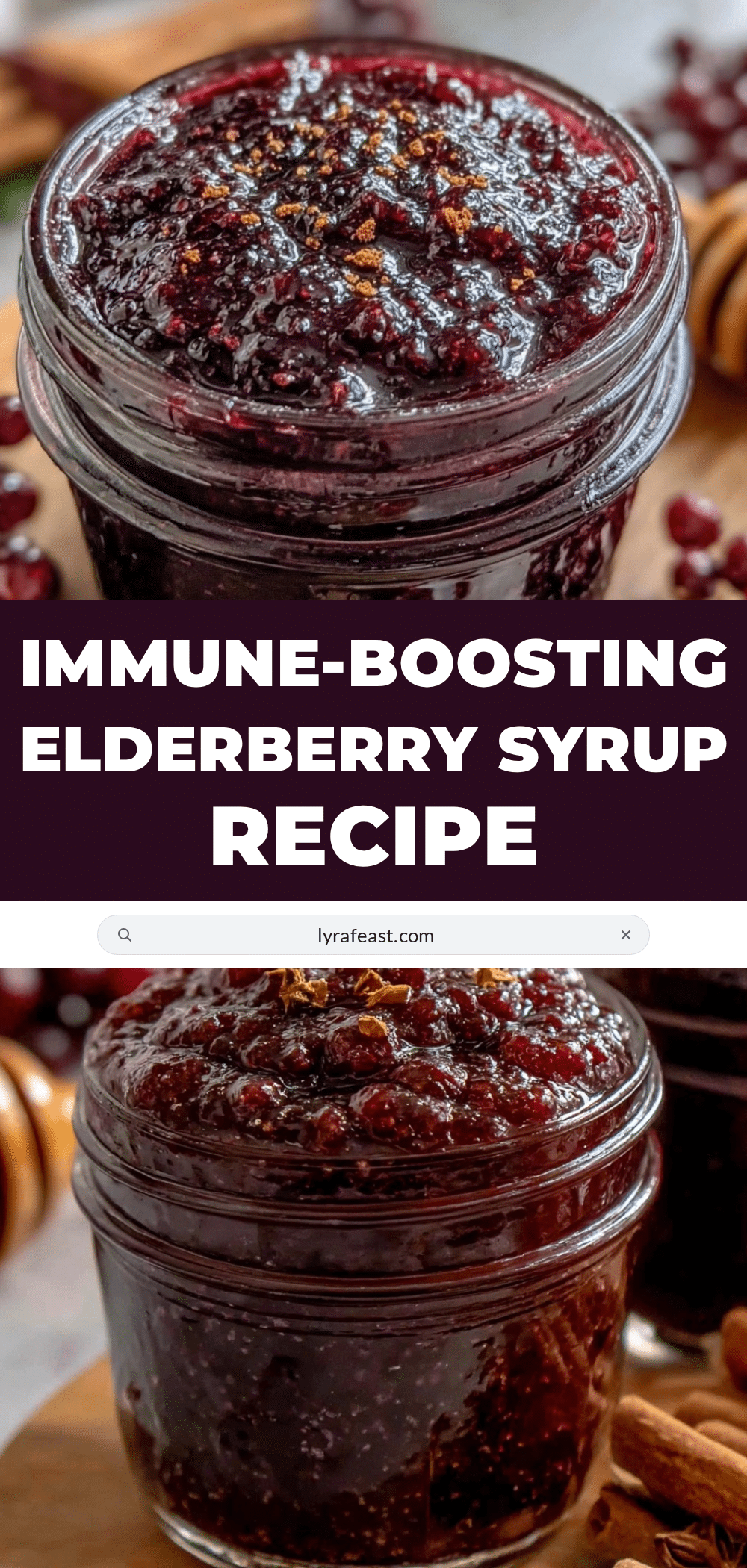
Healthy Homemade Elderberry Syrup Recipe with Cinnamon and Clove for Immunity Boost
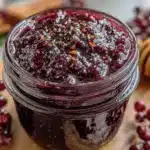
A cozy and flavorful elderberry syrup infused with cinnamon and clove, designed to boost immunity and soothe during cold seasons. This easy recipe uses simple ingredients and gentle simmering to create a delicious, health-supporting syrup.
- Prep Time: 10 minutes
- Cook Time: 45 minutes
- Total Time: 55 minutes
- Yield: About 2 cups (16 servings of 1 tablespoon each) 1x
- Category: Health Tonic
- Cuisine: American
Ingredients
- 1 cup (150g) dried elderberries
- 4 cups (1 liter) filtered water
- 2 cinnamon sticks
- 5 whole cloves
- 1-inch piece fresh ginger root, sliced (optional)
- ½ to ¾ cup (120-180ml) raw honey
- Juice of 1 fresh lemon
Instructions
- In a medium saucepan, combine 1 cup dried elderberries, 2 cinnamon sticks, 5 whole cloves, and sliced 1-inch piece of fresh ginger.
- Pour in 4 cups filtered water and stir gently to combine.
- Bring the mixture to a boil over medium-high heat. Once boiling, reduce heat to low and simmer uncovered for 45 minutes.
- Remove from heat and strain the liquid through a fine mesh strainer or cheesecloth into a heatproof bowl or pitcher. Press solids gently to extract juice without forcing.
- While the liquid is warm (not hot), stir in ½ to ¾ cup raw honey, adjusting sweetness to taste.
- Add the juice of one fresh lemon and stir well.
- Pour the syrup into clean glass jars or bottles, seal tightly, and store in the refrigerator for up to 3 weeks.
Notes
Do not press the elderberries too hard when straining to avoid bitterness. Add honey only when syrup is warm, not hot, to preserve its beneficial enzymes. Fresh lemon juice brightens flavor and helps preserve the syrup. The syrup thickens as it cools; stir in warm water if a thinner consistency is desired. Store refrigerated up to 3 weeks or freeze for up to 3 months.
Nutrition
- Serving Size: 1 tablespoon (15ml)
- Calories: 3040
- Carbohydrates: 810
Keywords: elderberry syrup, immunity boost, homemade syrup, cinnamon, clove, elderberries, natural remedy, cold season, antiviral syrup