I was standing in the frozen food aisle of a grocery store on December 30th, trying to decide between two bags of frozen peas, when a man in a tweed blazer started talking to me about vinaigrette. Honestly, I thought he was talking to someone else at first. People don’t usually strike up conversations in the frozen food section about salad dressing. But this man—turns out he was a retired chef who now teaches cooking classes at the senior center—noticed the bottle of store-bought champagne dressing in my cart and actually winced.
“You’re going to serve that on New Year’s Eve?” he asked, and I felt my face get hot. I mean, yes, I was. I had a whole charcuterie board planned, and I thought a bottle of decent-looking champagne vinaigrette would be a nice touch for a simple green salad on the side. But the way he said it made me feel like I’d just admitted to serving instant coffee at a wine tasting. He told me that making a real champagne vinaigrette takes about four minutes and uses ingredients I probably already had at home. He even scribbled the ratios on the back of a receipt he pulled from his pocket.
I went home, made it that night as a test run, and honestly, I haven’t bought bottled dressing since. This Best Champagne Vinaigrette for New Year’s Eve Charcuterie is now my go-to for any special occasion, but it really shines when you’ve got a board full of salty meats, rich cheeses, and briny olives. That bright, tangy pop of acidity cuts through everything perfectly. Maybe you’ve been that person standing in the grocery store aisle, settling for something that’s just okay. This recipe is your way out.
Why You’ll Love This Recipe
Let me tell you why this champagne vinaigrette has earned a permanent spot in my kitchen. I’ve tested this recipe at least a dozen times, tweaking the ratios and trying different mustards until it was absolutely perfect. It’s one of those rare recipes that feels fancy but takes almost no effort.
- Quick & Easy: You can make this in under five minutes. No joke. It’s faster than running to the store for a bottle of dressing.
- Simple Ingredients: You probably have everything you need right now. Olive oil, champagne vinegar, Dijon mustard, shallot, honey, salt, and pepper. That’s it.
- Perfect for New Year’s Eve: This dressing was practically made for charcuterie boards. The acidity balances the richness of cured meats and creamy cheeses like brie or camembert.
- Crowd-Pleaser: Every single time I’ve served this, someone asks for the recipe. It’s that good. Even people who “don’t like salad” end up going back for seconds.
- Unbelievably Delicious: The flavor is bright, tangy, and just slightly sweet. It’s not heavy or oily like some vinaigrettes can be. The champagne vinegar gives it a delicate, almost bubbly finish that regular white wine vinegar just can’t match.
What makes this different from every other vinaigrette recipe out there? It’s the ratio. Most recipes use too much oil or too much acid. I’ve landed on a perfect 3:1 balance that emulsifies beautifully and coats every leaf without drowning it. The shallot gets a quick soak in the vinegar before you add the oil, which mellows its bite while keeping that lovely oniony flavor. It’s not just another vinaigrette—it’s the one you’ll remember.
This is the kind of dressing that makes you close your eyes after the first bite. It’s simple, yes, but it has that soul-soothing satisfaction of something made with care. Perfect for impressing guests without any stress, or turning a simple side salad into something memorable.
What Ingredients You Will Need
This recipe uses simple, high-quality ingredients to create a vinaigrette that tastes anything but basic. Everything here is a pantry staple for me now, but you might need to pick up champagne vinegar if you don’t keep it on hand.
- Champagne vinegar – 3 tablespoons. This is the star of the show. It’s milder and more delicate than white wine vinegar, with a subtle fruity note. I prefer the Maille brand for consistency, but any good-quality champagne vinegar works. Don’t substitute regular white vinegar here—the flavor is completely different.
- Extra-virgin olive oil – 9 tablespoons (a generous 1/2 cup). Use a good quality oil here since it’s the base of the dressing. I like California Olive Ranch for a smooth, slightly peppery finish. Avoid anything labeled “light” or “pure” olive oil—they lack flavor.
- Dijon mustard – 1 teaspoon. This acts as an emulsifier and adds a subtle tang. Grey Poupon is my go-to, but any smooth Dijon works. Don’t use whole-grain mustard here unless you want a chunkier texture.
- Shallot – 1 small shallot, finely minced (about 1 tablespoon). Shallots are sweeter and milder than onions. If you don’t have one, you can use a tablespoon of finely minced red onion, but soak it in cold water for five minutes first to mellow the bite.
- Honey – 1 teaspoon. Just a touch of sweetness to balance the acidity. You can substitute maple syrup or agave if needed, but honey gives the best flavor. If you’re vegan, use a tablespoon of maple syrup instead.
- Salt – 1/4 teaspoon of fine sea salt. I prefer Diamond Crystal kosher salt because it dissolves easily. If you’re using table salt, reduce to 1/8 teaspoon.
- Black pepper – 1/8 teaspoon, freshly ground. Always use fresh-ground pepper for the best flavor. Pre-ground pepper just doesn’t have the same punch.
Equipment Needed
You don’t need anything fancy for this recipe, which is part of why I love it so much. Here’s what you’ll need:
- Small bowl or jar – A medium mixing bowl works, but I actually prefer a mason jar with a tight-fitting lid. It makes shaking and storing the dressing incredibly easy. Plus, you can serve it straight from the jar.
- Whisk or fork – If you’re using a bowl, a small whisk helps emulsify the dressing. In a pinch, a fork works fine. I’ve made this with a fork more times than I can count.
- Cutting board and knife – For mincing the shallot. A sharp knife makes a huge difference here. Dull knives crush shallots and release too much moisture.
- Measuring spoons – Accuracy matters for the ratio, but honestly, once you’ve made this a few times, you’ll be able to eyeball it.
- Garlic press (optional) – I sometimes add a small clove of garlic, pressed directly into the vinegar. It’s not in the main recipe, but it’s a nice variation if you’re feeling adventurous.
That’s literally it. No blender, no food processor, no special equipment. One of the reasons I make this so often is that cleanup takes about thirty seconds.
Preparation Method
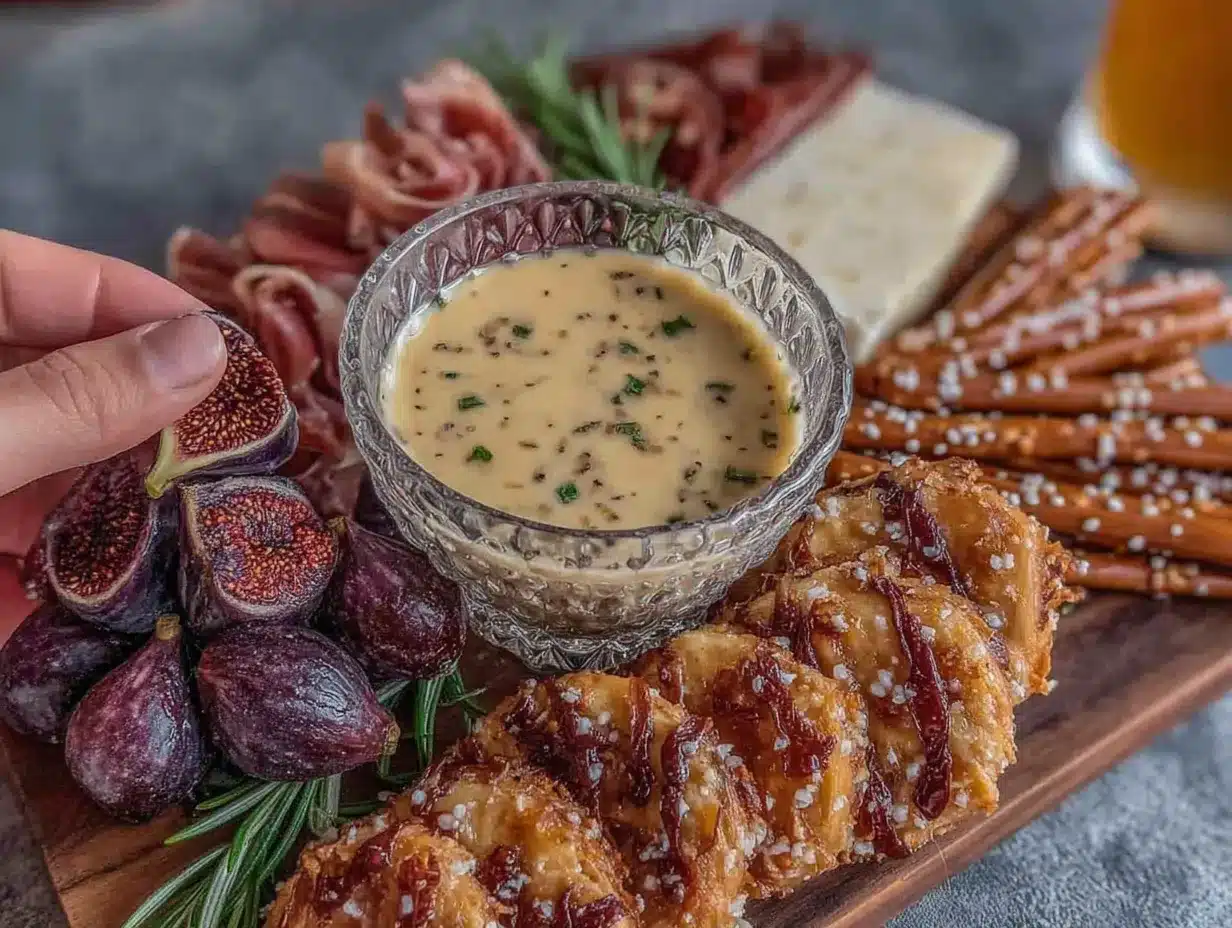
Making this champagne vinaigrette is almost embarrassingly easy, but there are a few tricks to getting it just right. Follow these steps, and you’ll have a dressing that tastes like it came from a fancy restaurant.
- Mince the shallot finely. Start by peeling and mincing one small shallot. You want it really fine—think tiny, uniform pieces. If the pieces are too big, you’ll get an overpowering bite of raw shallot. I like to cut the shallot in half lengthwise, then make thin slices lengthwise before dicing crosswise. This takes about a minute. Put the minced shallot in your bowl or jar.
- Soak the shallot in vinegar. Pour the 3 tablespoons of champagne vinegar directly over the minced shallot. Let it sit for 5 to 10 minutes. This step is crucial—it takes the sharp edge off the raw shallot while infusing the vinegar with that lovely oniony flavor. I usually do this while I’m getting the rest of my ingredients together. You’ll notice the shallot starts to turn a pale pink color, which is totally normal.
- Add the mustard, honey, salt, and pepper. After the shallot has soaked, add the Dijon mustard, honey, salt, and pepper to the bowl. Whisk everything together until the honey and salt are fully dissolved. The mixture should look slightly thick and creamy at this point. If you’re using a jar, just screw on the lid and shake for about 10 seconds.
- Slowly drizzle in the olive oil while whisking constantly. This is the most important step. You want to add the oil in a slow, steady stream while whisking vigorously. This creates an emulsion, which means the oil and vinegar combine into a creamy, cohesive dressing instead of separating into two layers. If you pour the oil in too fast, the dressing will break and look greasy. I hold the oil in my left hand and whisk with my right, drizzling slowly. It takes about 30 seconds to add all the oil. If you’re using a jar, add the oil, screw the lid on tight, and shake vigorously for 20 to 30 seconds. The sound changes from sloshy to thick and creamy when it’s emulsified.
- Taste and adjust. Dip a piece of lettuce or a clean finger into the dressing and taste it. Does it need more salt? A touch more honey? Another pinch of pepper? This is your chance to customize it. I usually end up adding an extra pinch of salt and a tiny bit more pepper. Trust your taste buds here.
- Let it rest (optional but recommended). If you have time, let the dressing sit at room temperature for 15 to 30 minutes before serving. This allows the flavors to meld together. The shallot continues to mellow, and the honey and mustard become more integrated. I’ve made this an hour before guests arrive and it’s always perfect.
A quick note: if your dressing separates after sitting (which sometimes happens), just give it a good whisk or shake for 10 seconds. It will come back together beautifully.
Cooking Tips & Techniques
I’ve made this champagne vinaigrette more times than I can count, and I’ve learned a few things the hard way. Here are my best tips for getting it perfect every time.
Use room temperature ingredients. Cold oil doesn’t emulsify as well. If your olive oil is straight from the fridge, let it sit on the counter for 15 minutes before you start. Same goes for the vinegar. Room temperature ingredients blend more smoothly and create a creamier dressing.
Don’t skip the shallot soak. I know it seems like an extra step, but it makes a huge difference. Raw shallot can be harsh and overpowering. That five-minute soak in vinegar transforms it into something mellow and sweet. I once skipped this step when I was in a hurry, and the dressing had a sharp, almost onion-soup flavor that threw off the whole salad.
Emulsify properly. The key to a vinaigrette that doesn’t separate is a proper emulsion. If you’re whisking by hand, use a circular motion and keep your wrist loose. If you’re using a jar, shake it like you mean it. I’ve found that shaking for a full 30 seconds gives the best results. You’ll know it’s emulsified when the dressing looks creamy and slightly thickened, and it coats the back of a spoon evenly.
Season in layers. Don’t just add all the salt and pepper at the beginning. Season the vinegar and shallot first, then add a little more after the oil goes in. This builds flavor gradually and prevents overseasoning. I learned this after making a dressing that was way too salty because I added all the salt at the start.
Make it ahead. This dressing actually gets better after a few hours in the fridge. The flavors meld and mellow. Just remember to take it out 20 minutes before serving and give it a good shake or whisk. Cold olive oil can turn thick and cloudy, but it warms up quickly.
One mistake I still make: Adding too much honey. It’s easy to get carried away, especially if you taste it and it seems too tangy. But remember, the acidity will mellow as it sits. A little sweetness goes a long way. Stick to the teaspoon measurement, and only add more after the dressing has rested.
Variations & Adaptations
This champagne vinaigrette is incredibly versatile. Here are some of my favorite ways to change it up.
Herb-infused version: Add 1 tablespoon of finely chopped fresh herbs to the dressing after it’s emulsified. Tarragon is my absolute favorite—it has a subtle anise flavor that pairs beautifully with champagne vinegar. Chives, parsley, or dill also work wonderfully. I made a tarragon version for Easter brunch last year, and everyone raved about it.
Creamy champagne vinaigrette: Whisk in 1 tablespoon of mayonnaise or Greek yogurt after the emulsion forms. This gives the dressing a richer, creamier texture that’s perfect for drizzling over grilled vegetables or using as a dip for crudités. I’ve done this with full-fat Greek yogurt, and it adds a lovely tangy creaminess without being heavy.
Garlic lover’s version: Add one small clove of garlic, minced or pressed, to the shallot and vinegar soak. This infuses the dressing with a gentle garlic flavor. Let it soak for the full 10 minutes to mellow the garlic’s bite. I use this version when I’m serving the dressing with a hearty salad that has roasted vegetables or grilled chicken.
Vegan adaptation: Replace the honey with maple syrup or agave nectar. Use a vegan-friendly Dijon mustard (most are, but check the label). The dressing will have a slightly different sweetness, but it’s still delicious. I’ve served this to vegan friends multiple times, and nobody guessed it was adapted.
Spicy version: Add a pinch of red pepper flakes or a small pinch of cayenne pepper to the vinegar soak. This gives the dressing a subtle warmth that’s fantastic with peppery arugula or watercress. I tried this on a whim one night, and now it’s my secret weapon for winter salads.
Serving & Storage Suggestions
This champagne vinaigrette is incredibly versatile, but it truly shines alongside a New Year’s Eve charcuterie board. Here’s how to serve and store it for the best results.
Serving temperature: Serve the dressing at room temperature, not straight from the fridge. Cold dressing can make the lettuce wilt and feel greasy. Take it out of the fridge 20 to 30 minutes before you plan to dress the salad. Give it a good shake or whisk right before serving to re-emulsify.
How to dress the salad: Don’t drown your greens. Start with a small amount—about 2 tablespoons for a large bowl of salad for 4 people—and toss gently with your hands. Add more if needed. You want every leaf lightly coated, not swimming. I always dress salads right before serving to keep the greens crisp.
What to serve it with: This dressing is perfect for a simple green salad alongside a charcuterie board. It pairs beautifully with mixed greens, arugula, or butter lettuce. Add some fresh herbs like parsley or chives, and maybe some thinly sliced radishes or fennel for crunch. The acidity cuts through rich cheeses like brie, camembert, or aged gouda, and it balances salty prosciutto and soppressata beautifully.
Storage instructions: Store the dressing in an airtight container in the refrigerator for up to one week. A mason jar is perfect for this. The flavors will continue to develop and mellow over the first day or two. I’ve kept it for a full week, and it was still delicious on day seven.
Reheating tips: You don’t need to reheat this dressing, but if it solidifies in the fridge (olive oil does this when cold), let it sit at room temperature for 20 minutes, then shake or whisk vigorously. If you’re in a hurry, place the sealed jar in a bowl of warm water for 5 minutes. Never microwave it—that will cook the shallot and ruin the texture.
Flavor development: The dressing is good right away, but it’s even better after a few hours or overnight. The shallot continues to mellow, and the honey and mustard become more integrated. I often make this the day before a party, and it’s always perfect.
Nutritional Information & Benefits
While this is a dressing and not a health food, it’s made with whole ingredients and has some surprising benefits. Here’s the breakdown per 2-tablespoon serving (makes about 8 servings total):
- Calories: Approximately 120
- Total Fat: 13g (mostly heart-healthy monounsaturated fat from olive oil)
- Saturated Fat: 2g
- Carbohydrates: 2g
- Sugar: 1.5g (from honey)
- Sodium: 75mg
- Vitamin E: 1.5mg (from olive oil)
Health benefits: Extra-virgin olive oil is rich in antioxidants and anti-inflammatory compounds. It’s a cornerstone of the Mediterranean diet for good reason. Champagne vinegar contains acetic acid, which may help with blood sugar regulation. Shallots are a good source of quercetin, a flavonoid with antioxidant properties. Honey provides trace amounts of vitamins and minerals, plus natural antibacterial properties.
Dietary considerations: This recipe is naturally gluten-free, dairy-free, and vegetarian. With the maple syrup substitution, it’s also vegan. It’s low-carb and keto-friendly (about 2g net carbs per serving). The only potential allergen is mustard, which is uncommon but worth noting for sensitive individuals.
My personal take: I love that this dressing lets me enjoy a delicious, satisfying salad without the preservatives, stabilizers, and excess sugar found in most bottled dressings. It’s real food, made with real ingredients, and it tastes infinitely better.
Conclusion
This Best Champagne Vinaigrette for New Year’s Eve Charcuterie has become my secret weapon for entertaining. It’s one of those recipes that looks impressive but takes almost no effort, and it always gets compliments. I love that it makes me feel like I’ve put in way more work than I actually have.
I encourage you to make this your own. Add more herbs if you love them, skip the honey if you prefer a more tart dressing, or throw in a pinch of red pepper flakes for heat. The beauty of a simple vinaigrette is that it’s a canvas for your preferences. Play around with it, taste as you go, and don’t be afraid to adjust.
Honestly, I still think about that man in the frozen food aisle sometimes. I wonder if he knows that his scribbled recipe has become a staple in my kitchen, and probably in the kitchens of everyone I’ve shared it with. That’s the thing about good food—it has a way of connecting us, even in the most unexpected places.
I’d love to hear how this turns out for you. Drop a comment below and let me know if you tried any variations, or tag me in your photos if you share them. Happy New Year, and happy cooking!
Frequently Asked Questions
Can I use white wine vinegar instead of champagne vinegar?
You can, but the flavor won’t be quite the same. Champagne vinegar is milder and more delicate, with subtle fruity notes. White wine vinegar is sharper and more acidic. If you’re substituting, use 2 tablespoons of white wine vinegar instead of 3, and add an extra tablespoon of olive oil to balance the acidity.
How long does homemade champagne vinaigrette last in the fridge?
It will keep in an airtight container in the refrigerator for up to one week. The flavors actually improve after a day or two. Just make sure to bring it to room temperature and shake or whisk well before using, as the olive oil will solidify when cold.
Why did my vinaigrette separate?
Separation is normal and happens when the emulsion breaks. This usually occurs if you added the oil too quickly, if the ingredients were too cold, or if the dressing sat for a long time. Don’t worry—just shake it vigorously in a jar or whisk it in a bowl for 15 to 20 seconds, and it will come back together.
Can I make this dressing without a shallot?
Absolutely. If you don’t have a shallot, use 1 tablespoon of finely minced red onion. Soak it in the vinegar for 10 minutes to mellow the bite. Alternatively, you can skip the allium entirely and add a small pinch of garlic powder or onion powder instead. The dressing will be slightly less complex, but still delicious.
What salads go best with this champagne vinaigrette?
This dressing is incredibly versatile. It’s perfect with simple mixed greens, arugula, or butter lettuce. It also pairs beautifully with more substantial salads like those with goat cheese, walnuts, dried cranberries, or sliced pears. For a New Year’s Eve charcuterie board, serve it alongside a simple green salad with fresh herbs and thinly sliced radishes.
Pin This Recipe!
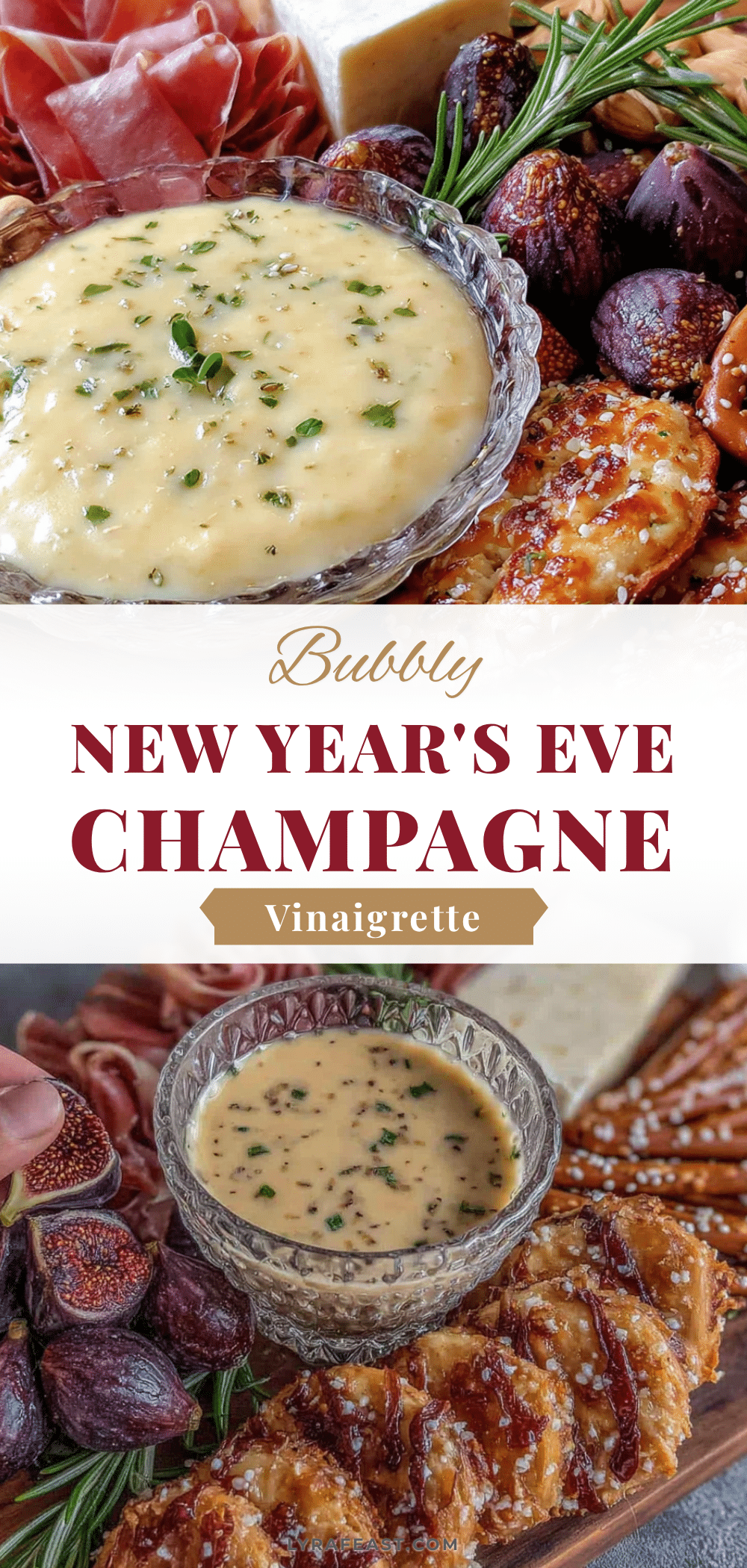
Best Champagne Vinaigrette for New Year’s Eve Charcuterie
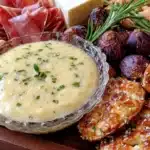
This bright, tangy champagne vinaigrette is made in under five minutes with simple ingredients. It’s the perfect accompaniment to a New Year’s Eve charcuterie board, cutting through rich meats and cheeses with a delicate, bubbly finish.
- Prep Time: 5 minutes
- Cook Time: 0 minutes
- Total Time: 5 minutes
- Yield: 8 servings 1x
- Category: Salad Dressing
- Cuisine: French
Ingredients
- 3 tablespoons champagne vinegar
- 9 tablespoons extra-virgin olive oil (generous 1/2 cup)
- 1 teaspoon Dijon mustard
- 1 small shallot, finely minced (about 1 tablespoon)
- 1 teaspoon honey
- 1/4 teaspoon fine sea salt
- 1/8 teaspoon freshly ground black pepper
Instructions
- Mince the shallot finely. Put the minced shallot in a small bowl or jar.
- Pour the champagne vinegar over the minced shallot. Let it sit for 5 to 10 minutes to mellow the shallot’s bite.
- Add the Dijon mustard, honey, salt, and pepper to the bowl. Whisk together until the honey and salt are fully dissolved. If using a jar, screw on the lid and shake for about 10 seconds.
- Slowly drizzle in the olive oil while whisking constantly (or add oil to the jar, seal, and shake vigorously for 20 to 30 seconds) until emulsified and creamy.
- Taste and adjust seasoning as needed.
- Let the dressing rest at room temperature for 15 to 30 minutes before serving to allow flavors to meld. If separated after sitting, whisk or shake for 10 seconds to re-emulsify.
Notes
For best results, use room temperature ingredients. The shallot soak in vinegar is crucial for mellowing its flavor. If the dressing separates, simply shake or whisk to re-emulsify. The dressing can be stored in the refrigerator for up to one week; bring to room temperature before serving.
Nutrition
- Serving Size: 2 tablespoons
- Calories: 120
- Sugar: 1.5
- Sodium: 75
- Fat: 13
- Saturated Fat: 2
- Carbohydrates: 2
Keywords: champagne vinaigrette, New Year's Eve, charcuterie board, salad dressing, homemade vinaigrette, easy vinaigrette, champagne vinegar