“I wasn’t planning on cooking at all that Thursday evening,” I admit. The power had flickered off and on all day, leaving me with a fridge full of random veggies that were definitely past their prime but not quite ready for the compost. I stared at the wilting zucchini, a lonely bell pepper, and a handful of cherry tomatoes that had seen better days. Honestly, I was about to give up and just order takeout when my mind wandered to an old trick I learned from a neighbor’s uncle—a retired chef who swore by turning ‘whatever’s left’ into something surprisingly delicious.
The sizzle when the veggies hit the pan, the way the eggs puffed up golden and inviting, and the smell of fresh herbs filled my kitchen while the lights blinked on and off. It wasn’t just a meal; it felt like a small victory over food waste and the chaos of a hectic week. You know that feeling when you pull off something unexpected without much planning? Yeah, this easy summer frittata with whatever vegetables are about to go bad became my go-to lifesaver. It’s simple, forgiving, and honestly, a little bit magical.
Maybe you’ve been there too—staring at your fridge, wondering what to do before everything turns into a science experiment. This frittata recipe stayed with me because it doesn’t demand perfection. It’s flexible, fresh, and a reminder that sometimes the best meals come from improvisation and a pinch of patience. Let me tell you, once you make this your own, you’ll keep coming back for more.
Why You’ll Love This Recipe
This easy summer frittata recipe has been tested and tweaked through countless kitchen experiments—some messy, some downright hilarious—but it always delivers. Here’s why it’s a winner:
- Quick & Easy: You can have this on the table in under 30 minutes, perfect when time’s tight but you want something wholesome.
- Simple Ingredients: No fancy shopping required. The recipe shines by using whatever veggies you’ve got on hand—perfect for reducing waste and saving money.
- Perfect for Summer: Light, fresh, and packed with seasonal vegetables, it’s great for brunches, picnic lunches, or laid-back dinners.
- Crowd-Pleaser: Kids and adults alike enjoy this frittata’s fluffy texture and vibrant flavors, making it a solid choice for casual gatherings.
- Unbelievably Delicious: The combination of tender veggies and eggs, lightly browned with a touch of fresh herbs, hits that comfort food spot without feeling heavy.
What sets this recipe apart is its versatility and simplicity. I sometimes blend in a little ricotta to make it creamier or sprinkle sharp cheddar on top for a golden crust. Plus, it’s forgiving—forgot a veggie? No problem. Overcooked the edges? It still tastes amazing! This isn’t just another frittata; it’s a recipe that adapts to your fridge and your mood, making it a trusty standby for any summer day.
What Ingredients You Will Need
This recipe relies on fresh, basic ingredients that bring vibrant flavors and texture together. It’s all about balance—protein from eggs, freshness from veggies, and a touch of seasoning to wake everything up.
- Eggs (6 large, room temperature) – The base of your frittata, providing structure and richness.
- Milk or cream (¼ cup / 60 ml) – Adds creaminess; whole milk works best, but any dairy or non-dairy milk is fine.
- Vegetables (about 3 cups / 450 g total) – Use whatever you have: zucchini (sliced or diced), bell peppers (any color, chopped), cherry tomatoes (halved), spinach or kale (roughly chopped), onions or scallions (sliced), mushrooms (sliced), or even leftover roasted veggies.
- Olive oil (2 tablespoons) – For sautéing and adding flavor. I prefer a fruity extra virgin olive oil like Colavita.
- Garlic (2 cloves, minced) – Adds a fragrant kick.
- Fresh herbs (a handful, chopped) – Basil, parsley, or chives brighten the dish.
- Cheese (optional, ½ cup / 50 g) – Feta, goat cheese, or shredded cheddar add tang and creaminess.
- Salt and pepper – To taste. I like kosher salt for its texture and fresh cracked black pepper.
Note: If you want to switch it up, swapping milk for almond or oat milk works well for a dairy-free version. Feel free to omit cheese or use a plant-based alternative if needed. The veggies are the star, so the more colorful, the better! In summer, swapping in fresh garden tomatoes or tender baby zucchini really takes it up a notch.
Equipment Needed
- Oven-safe skillet or frying pan (10-inch / 25 cm) – I always reach for my cast iron skillet because it gives a nice crust and holds heat evenly, but a non-stick pan with an oven-safe handle works too.
- Mixing bowl – For whisking the eggs and milk together.
- Whisk or fork – To blend the eggs smoothly.
- Spatula – Useful for stirring and transferring veggies.
- Knife and cutting board – To prep your vegetables.
If you don’t have an oven-safe pan, you can cook the frittata entirely on the stovetop with a lid, though the texture will differ slightly—less browned on top but just as tasty. For budget-conscious cooks, a simple non-stick frying pan will do the trick.
Preparation Method
- Preheat your oven to 375°F (190°C). This ensures a nice even cook when you transfer the skillet later.
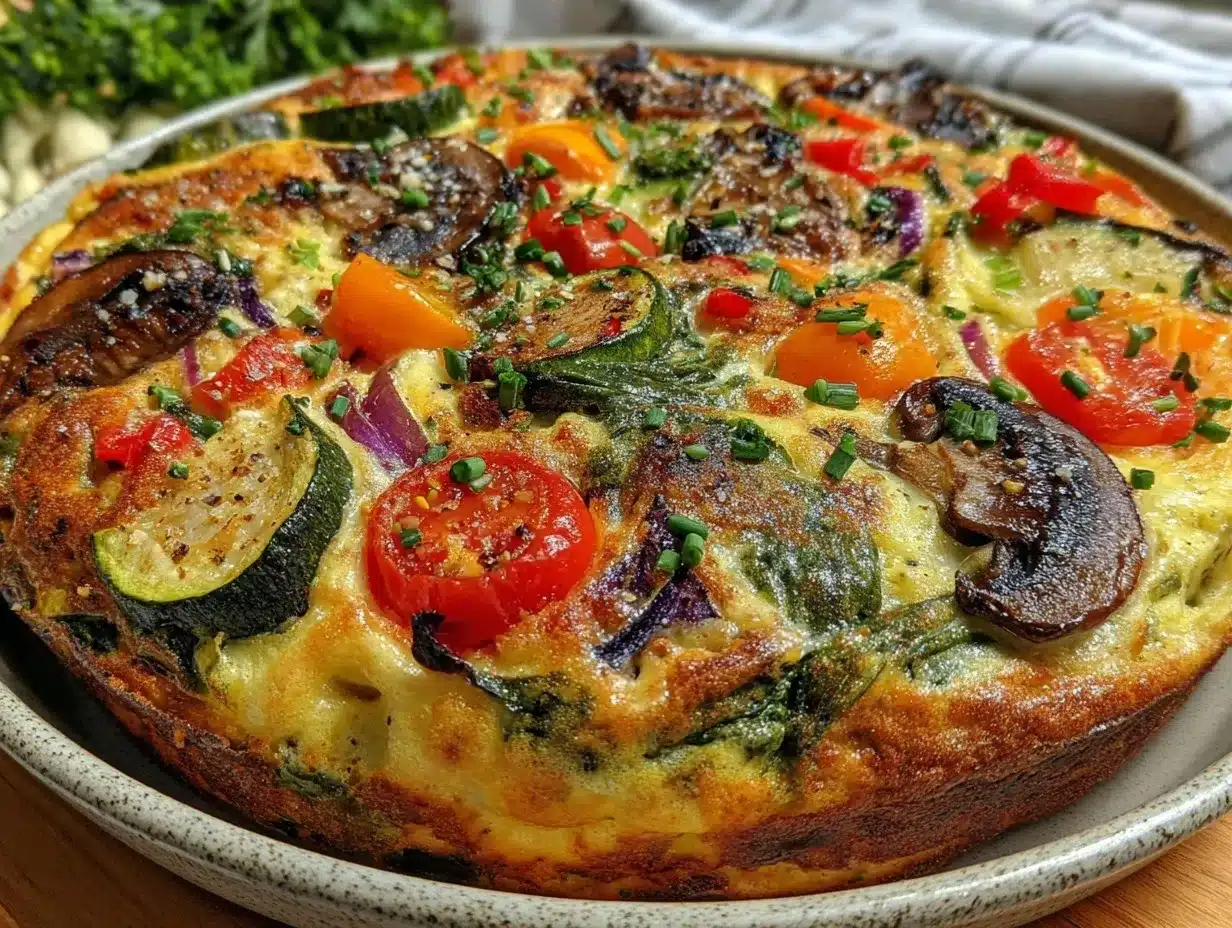
- Prep your vegetables: Wash and chop about 3 cups (450 g) of mixed vegetables. I usually go for a combo of zucchini, bell pepper, cherry tomatoes, and spinach—whatever’s on the verge of going bad.
- Heat olive oil in your skillet over medium heat. Once shimmering, add minced garlic and sauté for 30 seconds until fragrant.
- Add your vegetables starting with the firmer ones like bell peppers and zucchini. Cook for about 5-7 minutes, stirring occasionally, until they soften and start to brown a bit. Then toss in quicker-cooking greens or tomatoes and cook for another 2 minutes.
- Meanwhile, whisk eggs and milk together in a bowl until smooth. Season with salt and pepper. If using cheese, stir half into the mixture.
- Pour the egg mixture evenly over the sautéed vegetables in the skillet. Use your spatula to gently distribute the veggies so they’re spread out.
- Cook on stovetop over medium-low heat for about 3-4 minutes to let the edges start setting.
- Transfer the skillet to the oven and bake for 12-15 minutes or until the frittata is puffed, golden, and a knife inserted in the center comes out clean.
- Remove from oven and sprinkle remaining cheese and fresh herbs on top. Let it rest for 5 minutes before slicing.
- Slice and serve warm or at room temperature. It pairs beautifully with a crisp salad or crusty bread.
Pro tip: If your skillet handle isn’t oven-safe, cover it with foil or transfer the frittata to a baking dish before popping it in the oven. Also, don’t rush the oven step—undercooked eggs can be runny, and overcooked ones get rubbery. Keep an eye on it after the 12-minute mark.
Cooking Tips & Techniques
From plenty of trial and error in my kitchen, here are some tips to make your summer frittata shine:
- Use room temperature eggs: Cold eggs can cause the frittata to cook unevenly. Let them sit out for 10-15 minutes before whisking.
- Don’t overfill your pan: Too many veggies or eggs can make the frittata dense and slow to cook. Stick to about 3 cups of veggies for a 10-inch pan.
- Cook veggies first: Raw veggies release water that can make your frittata watery. Sautéing them beforehand helps concentrate flavors and remove excess moisture.
- Keep heat moderate: High heat can burn the bottom before the center is set. Medium-low allows gentle cooking and better texture.
- Let it rest: After baking, resting helps the frittata finish cooking from residual heat and makes slicing easier.
One time, I got distracted by a phone call and left the frittata in the oven a bit too long—the edges browned more than usual but honestly tasted fantastic with a slightly crisp bite. Mistakes can sometimes lead to happy accidents! Also, multitasking by prepping a quick salad while the frittata bakes saves precious time.
Variations & Adaptations
This frittata is like a blank canvas, and here are some fun ways to change it up:
- Vegetarian twist: Load it with seasonal veggies like asparagus, cherry tomatoes, and fresh herbs. Omit cheese or use a plant-based version to keep it vegan-friendly.
- Meaty addition: Add cooked bacon, sausage, or diced ham for a protein boost and smoky flavor. Just make sure to drain excess fat before mixing in eggs.
- Spicy kick: Toss in chopped jalapeños or a pinch of red pepper flakes when sautéing veggies for a bit of heat.
- Different cooking methods: Try cooking the entire frittata on the stovetop with a lid if you don’t want to use the oven. It will be softer on top but equally tasty.
- Gluten-free option: Naturally gluten-free, this recipe fits nicely into gluten-sensitive diets without any changes.
Personally, I once swapped in leftover roasted sweet potatoes and kale, sprinkled feta on top, and it turned into a fall-inspired delight. The best part? It’s always easy to customize based on what’s lurking in your fridge or craving.
Serving & Storage Suggestions
Serve your frittata warm or at room temperature—both work beautifully. It tastes just as good fresh out of the oven or hours later at a picnic. For a casual brunch, pair it with mixed greens tossed in a light vinaigrette or a side of fresh fruit.
To store, cover leftovers tightly and refrigerate for up to 3 days. Reheat gently in a skillet over low heat or in a microwave at 50% power to avoid rubbery eggs. You can also freeze slices wrapped in parchment and foil for up to 2 months; thaw overnight in the fridge before reheating.
Flavors mellow and meld after a day, making this frittata even more flavorful as leftovers. Honestly, it’s just as good the next day—sometimes better!
Nutritional Information & Benefits
This easy summer frittata packs a nutritious punch, balancing protein, fiber, and vitamins. Each serving (about 1/6 of the frittata) roughly contains:
| Nutrient | Amount |
|---|---|
| Calories | 220-250 kcal |
| Protein | 15-18 g |
| Fat | 15 g |
| Carbohydrates | 6-8 g |
| Fiber | 2-3 g |
The eggs provide high-quality protein and essential vitamins like B12 and D, while the veggies add fiber, antioxidants, and minerals. Using olive oil contributes heart-healthy fats. Plus, it fits well into gluten-free and low-carb lifestyles, depending on your choice of add-ins.
From a wellness point of view, this frittata offers a satisfying meal that fuels your body without feeling heavy. It’s a quick way to get a colorful variety of nutrients into your day, especially on busy summer afternoons when you want something light and fresh.
Conclusion
So there you have it—an easy summer frittata recipe with fresh vegetables you’ll love, made from whatever you have on hand and ready in a flash. It’s proof that cooking doesn’t have to be complicated or perfect to be delicious and satisfying. I keep coming back to this recipe because it feels like a small kitchen win every time, turning potential waste into a cozy, flavorful meal.
Feel free to make this your own, swapping in your favorite veggies, cheeses, or herbs. And hey, if you end up with a slightly burnt edge or a surprise ingredient, that’s part of the charm! Let me know in the comments how you customize your frittata or what veggie combos you tried—sharing stories is half the fun.
Ready to give it a go? Grab your skillet, raid your fridge, and enjoy a simple dish that’s both tasty and kind to your kitchen budget.
FAQs About Easy Summer Frittata with Whatever Vegetables Are About to Go Bad
Can I make this frittata vegan?
Yes! Substitute eggs with a chickpea flour batter or silken tofu blend, and use dairy-free milk and cheese alternatives. The texture will be different but still tasty.
What if I don’t have an oven-safe skillet?
No worries—cook the veggies in any pan, then transfer everything to a greased baking dish before baking. Or cook the frittata entirely on the stovetop with a lid over low heat.
How long can I store leftover frittata?
Store leftovers in an airtight container in the fridge for up to 3 days. For longer storage, freeze individual slices for up to 2 months.
Can I add meat to this recipe?
Absolutely! Cooked bacon, sausage, or diced ham can be added with the veggies for extra flavor and protein.
What vegetables work best in this frittata?
Any that are on their last legs! Common choices include zucchini, peppers, tomatoes, spinach, mushrooms, and onions. Just avoid watery veggies like cucumber or raw lettuce.
By the way, if you enjoy this frittata, you might appreciate the comforting ease of my crispy garlic chicken recipe or the fresh flavors in my summer vegetable pasta. Both are great for quick weeknight meals and use simple, wholesome ingredients like this frittata.
Pin This Recipe!
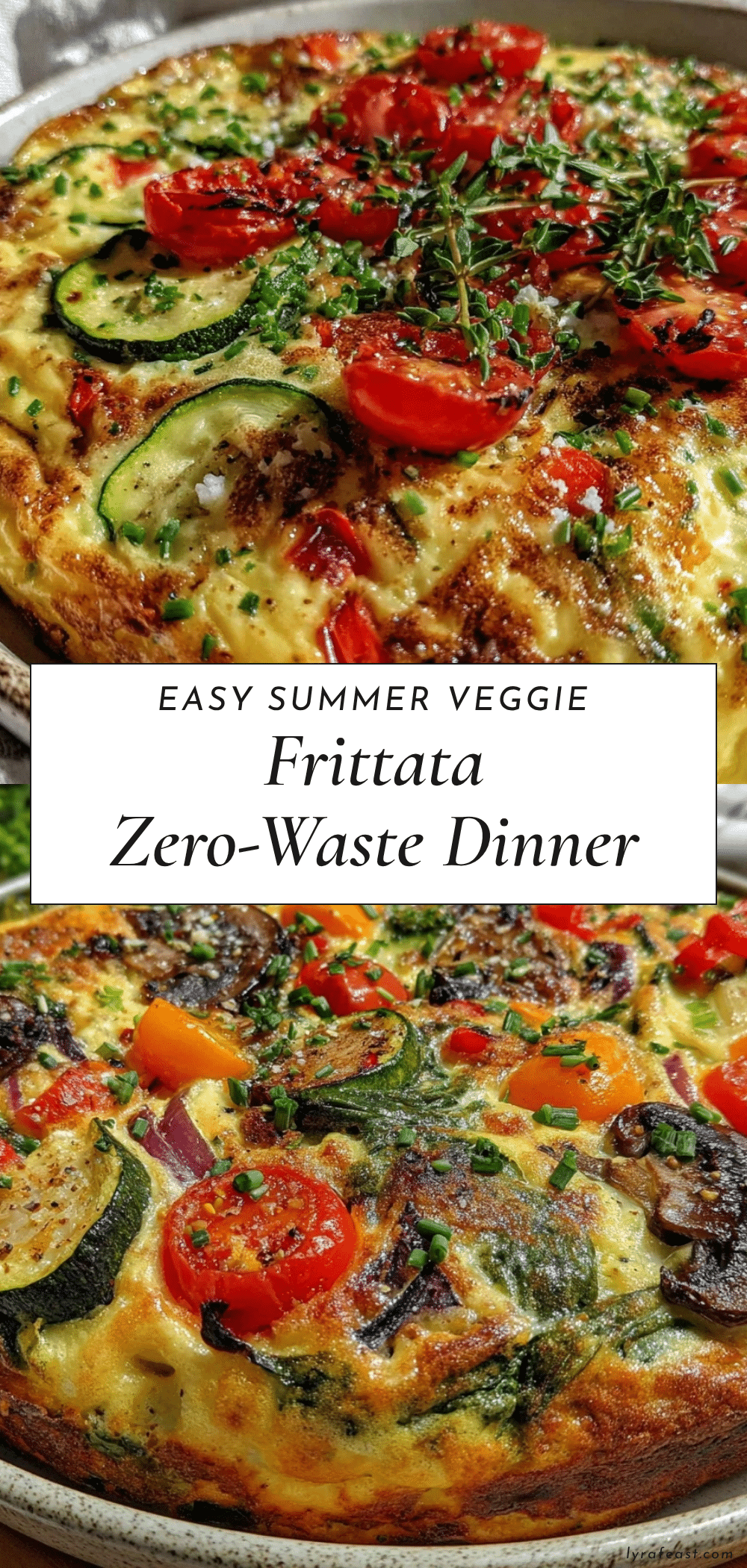
Easy Summer Frittata Recipe with Fresh Vegetables You’ll Love

A quick and easy summer frittata made with fresh, seasonal vegetables and eggs, perfect for reducing food waste and enjoying a wholesome meal in under 30 minutes.
- Prep Time: 10 minutes
- Cook Time: 20 minutes
- Total Time: 30 minutes
- Yield: 6 servings 1x
- Category: Main Course
- Cuisine: American
Ingredients
- 6 large eggs, room temperature
- 1/4 cup (60 ml) milk or cream (whole milk preferred, any dairy or non-dairy milk works)
- About 3 cups (450 g) mixed vegetables (e.g., zucchini sliced or diced, bell peppers chopped, cherry tomatoes halved, spinach or kale roughly chopped, onions or scallions sliced, mushrooms sliced, or l…
- 2 tablespoons olive oil (extra virgin preferred)
- 2 cloves garlic, minced
- A handful of fresh herbs (basil, parsley, or chives), chopped
- 1/2 cup (50 g) cheese (optional; feta, goat cheese, or shredded cheddar)
- Salt and pepper to taste
Instructions
- Preheat your oven to 375°F (190°C).
- Wash and chop about 3 cups (450 g) of mixed vegetables.
- Heat olive oil in your skillet over medium heat. Add minced garlic and sauté for 30 seconds until fragrant.
- Add firmer vegetables like bell peppers and zucchini. Cook for 5-7 minutes, stirring occasionally, until softened and slightly browned. Then add quicker-cooking greens or tomatoes and cook for another 2 minutes.
- Whisk eggs and milk together in a bowl until smooth. Season with salt and pepper. Stir half of the cheese into the mixture if using.
- Pour the egg mixture evenly over the sautéed vegetables in the skillet. Use a spatula to distribute the veggies evenly.
- Cook on stovetop over medium-low heat for 3-4 minutes to let the edges start setting.
- Transfer the skillet to the oven and bake for 12-15 minutes or until the frittata is puffed, golden, and a knife inserted in the center comes out clean.
- Remove from oven and sprinkle remaining cheese and fresh herbs on top. Let rest for 5 minutes before slicing.
- Slice and serve warm or at room temperature.
Notes
If you don’t have an oven-safe skillet, cover the handle with foil or transfer the mixture to a greased baking dish before baking. You can also cook the entire frittata on the stovetop with a lid for a softer top. Use room temperature eggs for even cooking. Avoid overfilling the pan to prevent a dense frittata. Let the frittata rest after baking for easier slicing. Leftovers keep well refrigerated for up to 3 days or frozen for up to 2 months.
Nutrition
- Serving Size: About 1/6 of the fri
- Calories: 235
- Sugar: 3
- Sodium: 250
- Fat: 15
- Saturated Fat: 4
- Carbohydrates: 7
- Fiber: 2.5
- Protein: 16
Keywords: frittata, summer recipe, easy frittata, vegetable frittata, quick meal, brunch recipe, healthy eggs, leftover vegetables