I wasn’t supposed to be cooking that night. My neighbor, Sarah, had asked me to water her plants while she was out of town, and I’d just let myself in when the smell hit me from the kitchen. It wasn’t hers, exactly—it was the lingering ghost of something incredible, something creamy and savory that had clearly been made there recently. I stood in her doorway like a weirdo, just breathing it in, and when she got back, I had to ask.
“Oh, that?” She laughed, waving her hand. “It’s nothing. Just pasta I threw together on a Tuesday.”
That “nothing” became an obsession. She eventually texted me the rough idea over WhatsApp—no measurements, just “a lot of garlic, some cream, and that green can of cheese.” I spent the next two weeks trying to recreate it in my own kitchen. The first attempt was a clumpy disaster. The second was too thin. The third, though? That was the one. Honestly, maybe you’ve been there—chasing a recipe you tasted at someone else’s house, something they made without even thinking, while you’re scribbling notes on a napkin later.
This creamy garlic parmesan pasta became my weeknight hero. It’s the kind of recipe that feels fancy but takes less time than deciding what to order for delivery. Let me tell you, once you make this, you’ll understand why I stood in my neighbor’s kitchen like a lovesick fool over a bowl of noodles.
Why You’ll Love This Recipe
I’ve tested this recipe more times than I care to admit—through burned garlic, curdled cream, and one particularly sad attempt where I used the wrong cheese. But after all that trial and error, I can confidently say this version is bulletproof. Here’s why it works:
- Quick & Easy: From fridge to table in under 15 minutes. Seriously. This is faster than most takeout delivery times.
- Simple Ingredients: You probably have 90% of these in your pantry right now. No fancy trips to specialty stores.
- Perfect for Weeknights: This is the dinner you make when you’re tired, hungry, and out of ideas. It delivers every single time.
- Crowd-Pleaser: Kids love it. Adults love it. Picky eaters ask for seconds. It’s basically magic in a bowl.
- Unbelievably Delicious: The texture is silky, the garlic is fragrant without being overpowering, and the parmesan creates this nutty, savory depth that feels way more complex than it is.
What makes this different from every other creamy pasta recipe out there? It’s the technique. Most recipes tell you to just dump everything together and hope for the best. I learned the hard way that order matters—when you add the cheese, how long you cook the garlic, even the temperature of your cream. This version has been tested by friends, neighbors, and my notoriously picky uncle, and it passed every single taste test. It’s not just another creamy pasta—it’s the creamy pasta you’ll come back to again and again.
What Ingredients You Will Need
This recipe uses simple, everyday ingredients that come together to create something truly special. The beauty is in the balance—each component plays a role in building that silky, savory sauce.
- 8 oz (225g) fettuccine or linguine – I prefer De Cecco for its texture, but any good-quality dried pasta works. Fresh pasta is lovely here too, just adjust the cooking time.
- 3 tablespoons unsalted butter – Salted butter works in a pinch, just reduce the added salt later. Kerrygold is my go-to for flavor.
- 4 cloves garlic, minced – Fresh garlic is non-negotiable here. Please don’t use the jarred stuff—it burns too easily and tastes bitter.
- 1 cup (240ml) heavy cream – Full-fat cream gives the best texture. Half-and-half will work but won’t be as luxuriously thick.
- 1 cup (100g) freshly grated parmesan cheese – This is crucial. Pre-shredded cheese contains anti-caking agents that prevent smooth melting. Grate it yourself—it takes two minutes and makes a world of difference.
- ½ cup (120ml) reserved pasta water – Don’t skip this! The starchy water helps bind the sauce and gives it that silky consistency.
- ½ teaspoon salt – Plus more for the pasta water. Season generously.
- ¼ teaspoon black pepper – Freshly cracked is best.
- ¼ teaspoon red pepper flakes (optional) – Adds a subtle warmth without making it spicy. I add these every time.
- 2 tablespoons fresh parsley, chopped – For garnish and a pop of freshness.
Ingredient Tips: For the creamiest results, make sure your cream and parmesan are at room temperature before starting. Cold ingredients can cause the sauce to seize up. If you’re dairy-sensitive, I’ve had good luck with a high-quality lactose-free cream—just avoid ultra-pasteurized versions if you can, as they don’t thicken as well.
Equipment Needed
You don’t need a fancy kitchen to pull this off. Here’s what you’ll actually use:
- Large pot (at least 4 quarts) for boiling pasta – I use my old stainless steel one that’s seen better days, but it does the job.
- Large skillet or sauté pan – A 12-inch pan gives you enough room to toss everything together. Non-stick makes cleanup easier, but stainless steel works great too.
- Cheese grater – A microplane or box grater works. Honestly, I use the fine side of my box grater and it’s perfect.
- Wooden spoon or silicone spatula – For stirring without scratching your pan.
- Measuring cups and spoons – Eyeballing works once you’ve made this a few times, but measure the first go-round.
- Colander – For draining pasta. Don’t forget to save that water!
- Garlic press (optional) – I use mine because I’m lazy about mincing, but a knife works just fine.
If you don’t have a large skillet, a deep saucepan works in a pinch. Just be careful not to overcrowd—you need room to toss the pasta with the sauce.
Preparation Method
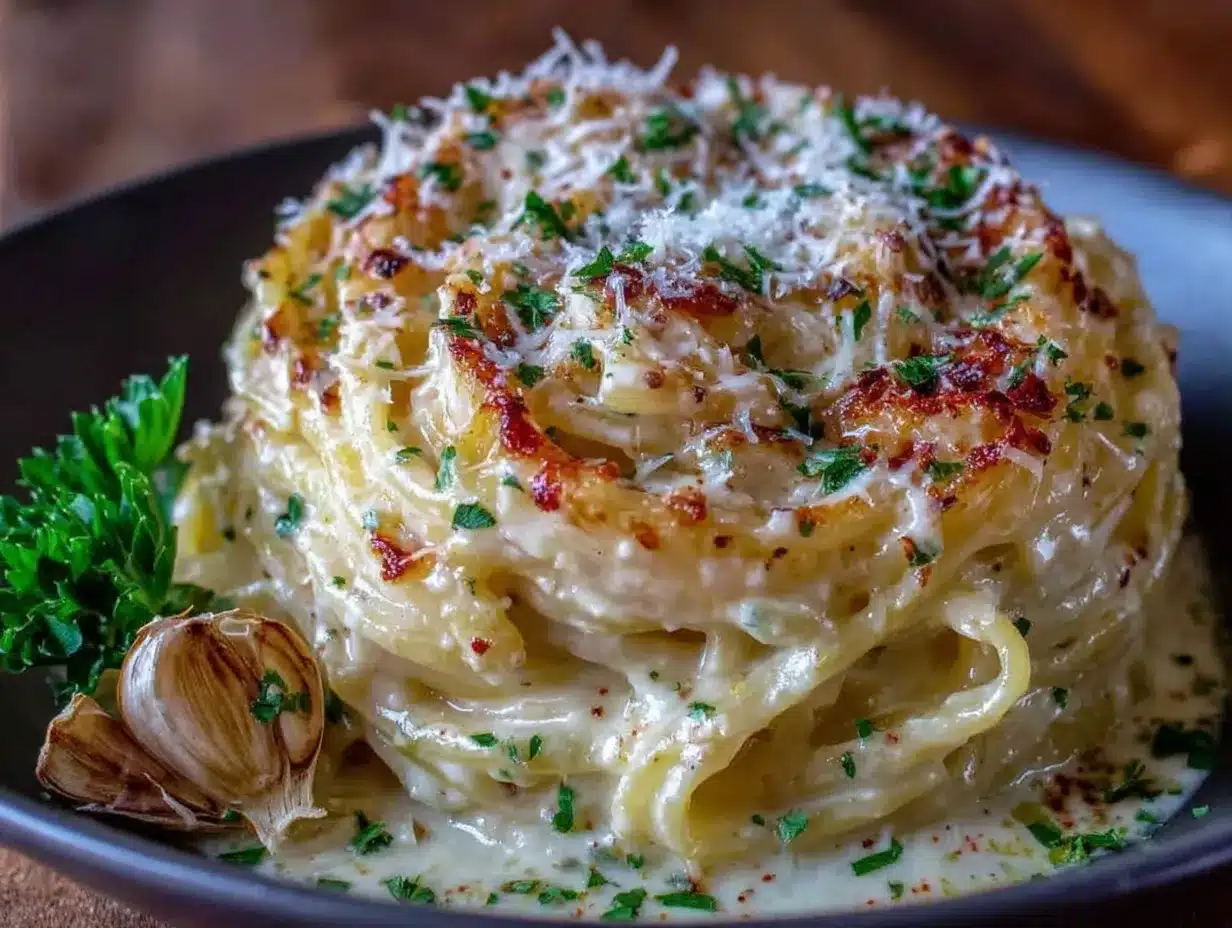
- Bring a large pot of salted water to a rolling boil. Use about 1 tablespoon of salt per 4 quarts of water—it should taste like the sea. While it heats up, grate your parmesan and mince your garlic. Getting your prep done now saves chaos later.
- Cook your pasta according to package directions. For fettuccine, that’s usually 10-12 minutes. Aim for al dente—firm to the bite—since it’ll cook a bit more in the sauce. Before draining, reserve 1 cup of the starchy pasta water. Set it aside. Drain the pasta but don’t rinse it—you want that starch clinging to the noodles.
- While the pasta cooks, start the sauce. In your large skillet, melt the butter over medium heat. Once it’s foaming (about 30 seconds), add the minced garlic and red pepper flakes if using. Cook for 60-90 seconds, stirring constantly. You want the garlic fragrant and just barely golden—any longer and it turns bitter. Trust me, I’ve ruined plenty of batches this way.
- Pour in the heavy cream. Stir it into the garlic butter until smooth. Let it come to a gentle simmer—you’ll see small bubbles around the edges—then reduce the heat to low. This takes about 2-3 minutes. Don’t let it boil aggressively or the cream might separate.
- Add the parmesan cheese gradually. Here’s the trick: sprinkle it in handful by handful, stirring constantly between each addition. Dumping it all at once creates clumps. Keep stirring until the cheese is fully melted and the sauce is smooth and glossy. This should take about 2 minutes.
- Season the sauce. Add salt and pepper, then taste. Adjust if needed—different cheeses have different salt levels, so trust your palate here. The sauce should be rich, savory, and just a little nutty from the parmesan.
- Combine pasta and sauce. Add the drained pasta directly to the skillet. Toss everything together using tongs or a wooden spoon. If the sauce seems too thick, add reserved pasta water a splash at a time—usually about ¼ cup does it. The starch in the water helps the sauce cling to every strand.
- Finish and serve. Toss for another minute until the pasta is well coated and the sauce has thickened slightly. It should coat the back of a spoon. Remove from heat, garnish with fresh parsley, and serve immediately. That’s it—eight steps, 15 minutes, and dinner’s done.
Sensory cues to watch for: When the garlic hits the butter, you should smell it immediately—fragrant and warm, not sharp or burnt. The sauce should look like pale gold velvet when it’s done, with no visible streaks of cheese. When you lift a strand of pasta, the sauce should cling to it without dripping off in a thin stream.
Cooking Tips & Techniques
I’ve made this recipe at least thirty times, and I’ve messed it up in almost every way possible. Here’s what I learned so you don’t have to:
Don’t rush the garlic. Medium heat is your friend here. High heat burns garlic in seconds, and burnt garlic tastes acrid and ruins the whole dish. If you’re nervous, err on the side of lower heat and cook it a little longer.
Grate your own cheese. I cannot stress this enough. Pre-shredded parmesan is coated in cellulose (wood pulp, basically) to prevent clumping, and it refuses to melt smoothly. You’ll end up with a grainy, separated sauce. A block of parmesan costs the same and tastes infinitely better.
Save more pasta water than you think you need. I once saved only ¼ cup and ended up with a sauce that was too thick. The starchy water is your secret weapon—it loosens the sauce without thinning it out. Always save at least a cup.
Taste as you go. Different brands of parmesan have different salt levels. What works for one might be too salty for another. I add salt in stages and taste after each addition. You can always add more, but you can’t take it out.
Work quickly once the pasta is done. This sauce waits for no one. Have everything ready before you drain the pasta—garlic minced, cheese grated, cream measured. The whole sauce process takes about 6 minutes, and you want to add the pasta while it’s still hot.
If your sauce separates, don’t panic. It usually means the heat was too high or the cheese was added too quickly. Take it off the heat immediately and whisk in a splash of cold cream or milk. It won’t be perfect, but it’ll be edible. I’ve saved more than a few dinners this way.
Variations & Adaptations
This recipe is wonderfully flexible. Here are some ways I’ve adapted it over the years:
- Protein Boost: Add cooked chicken, shrimp, or crispy bacon. I like to toss in leftover rotisserie chicken at the end—it warms through in the sauce without overcooking.
- Vegetable Addition: Sautéed mushrooms, spinach, or sun-dried tomatoes work beautifully. Add mushrooms with the garlic, or stir in spinach at the very end until it wilts.
- Lighter Version: Swap half the cream for whole milk and use a sharp parmesan so you need less cheese. The sauce won’t be as thick, but it’s still satisfying. You can also use half-and-half in place of heavy cream.
- Gluten-Free Option: Use your favorite gluten-free pasta. Brown rice pasta works particularly well here. Just cook it according to package directions and save extra pasta water—gluten-free noodles tend to absorb more liquid.
- Herb Infusion: Add fresh thyme or rosemary along with the garlic for an earthy twist. I tried this on a whim one Sunday and it was fantastic.
- Spicy Kick: Double the red pepper flakes or add a pinch of cayenne. My husband loves this version—it wakes up the whole dish.
One of my favorite variations came from a mistake: I ran out of parmesan and used half parmesan, half pecorino romano. The result was saltier and more complex, and honestly, I’ve been making it that way ever since. Don’t be afraid to experiment—some of the best recipes come from happy accidents.
Serving & Storage Suggestions
This pasta is best served immediately, while the sauce is still warm and silky. Plate it in shallow bowls and top with extra parmesan and a sprinkle of fresh parsley. A side of crusty bread is perfect for sopping up any leftover sauce—trust me, you won’t want to waste a drop.
What to serve with it: A simple green salad with lemon vinaigrette cuts through the richness beautifully. Roasted broccoli or asparagus also pair well. For drinks, a crisp white wine like Pinot Grigio or Sauvignon Blanc complements the creamy garlic sauce. If you’re keeping it casual, sparkling water with lemon works just as well.
Storage: Leftovers keep in an airtight container in the refrigerator for up to 3 days. The sauce will thicken as it cools, so don’t worry if it looks different when you take it out—it’ll loosen up when reheated.
Reheating: The microwave works in a pinch, but it can make the sauce grainy. Instead, reheat in a skillet over low heat with a splash of milk or reserved pasta water. Stir gently until warmed through—about 3-4 minutes. Add liquid gradually until the sauce reaches the right consistency. The flavors actually deepen overnight, so leftovers might taste even better the next day.
Freezing: I don’t recommend freezing this dish. Cream-based sauces tend to separate when thawed, and the texture won’t be the same. If you must freeze it, do so before adding the cheese—thaw, reheat, and add fresh parmesan at the end.
Nutritional Information & Benefits
Here’s the honest truth: this is a rich, indulgent dish. But that doesn’t mean it can’t fit into a balanced lifestyle. One serving (about 1/4 of the recipe) contains roughly:
- Calories: 520
- Protein: 18g
- Fat: 32g
- Carbohydrates: 42g
- Fiber: 2g
- Calcium: 35% of daily value (thanks to the parmesan)
Parmesan cheese is a good source of calcium and protein, while garlic offers immune-supporting compounds. The butter and cream provide fat-soluble vitamins A, D, and E. Is it health food? No. But it’s real food made from simple ingredients, and sometimes that’s exactly what you need.
For a lighter option, reduce the butter to 2 tablespoons and use half-and-half instead of cream. You’ll save about 100 calories per serving without sacrificing too much flavor. This recipe is vegetarian as written, but contains dairy and gluten. For dairy-free, try using a high-quality vegan butter and cream alternative—I’ve had decent results with oat-based cream.
Conclusion
This creamy garlic parmesan pasta has become my go-to for those nights when I need dinner on the table fast, but I still want something that feels special. It’s the recipe I make when I’m tired, when I’m stressed, when I just need a bowl of comfort without a lot of fuss. The first time I made it successfully—after those early disasters—I actually texted my neighbor a photo. “I finally got it,” I wrote. She sent back a smiley face and said, “Told you it was easy.”
And that’s the thing, isn’t it? Some of the best recipes aren’t complicated. They’re just honest, well-made food that tastes like someone cared. This one’s been through my kitchen, my mistakes, and my triumphs, and now it’s yours to make your own. Add your favorite protein, throw in some veggies, dial up the garlic—make it yours. I’d love to hear how it turns out. Drop a comment below and tell me about your version, or tag me in your photos. Happy cooking, friends!
Frequently Asked Questions
Can I use milk instead of heavy cream?
You can, but the sauce won’t be as thick or luxurious. Whole milk works best—use 1 cup and add an extra tablespoon of butter to compensate for the lower fat content. The sauce will be thinner, so expect a lighter result.
Why did my sauce turn out grainy?
Grainy sauce usually means the cheese was added too quickly or the heat was too high. Always add parmesan gradually over low heat, stirring constantly. Using pre-shredded cheese is another common culprit—grate fresh parmesan for the smoothest results.
Can I make this ahead of time?
This dish is best fresh, but you can prep components ahead. Grate the cheese, mince the garlic, and measure the cream up to a day in advance. Store everything in the fridge, then cook when you’re ready. The actual cooking only takes 15 minutes, so the prep is minimal anyway.
What’s the best pasta shape for this recipe?
Fettuccine and linguine are classics because the sauce clings well to long, flat noodles. But honestly, any shape works—penne, rigatoni, or even spaghetti. Short pastas are great if you’re adding mix-ins like chicken or vegetables, since everything gets distributed evenly.
How do I fix a sauce that’s too thick?
Add reserved pasta water a tablespoon at a time until it reaches your desired consistency. The starchy water thins the sauce without making it watery. If you don’t have pasta water, a splash of warm milk or cream works too. Reheat gently and stir until smooth.
Pin This Recipe!
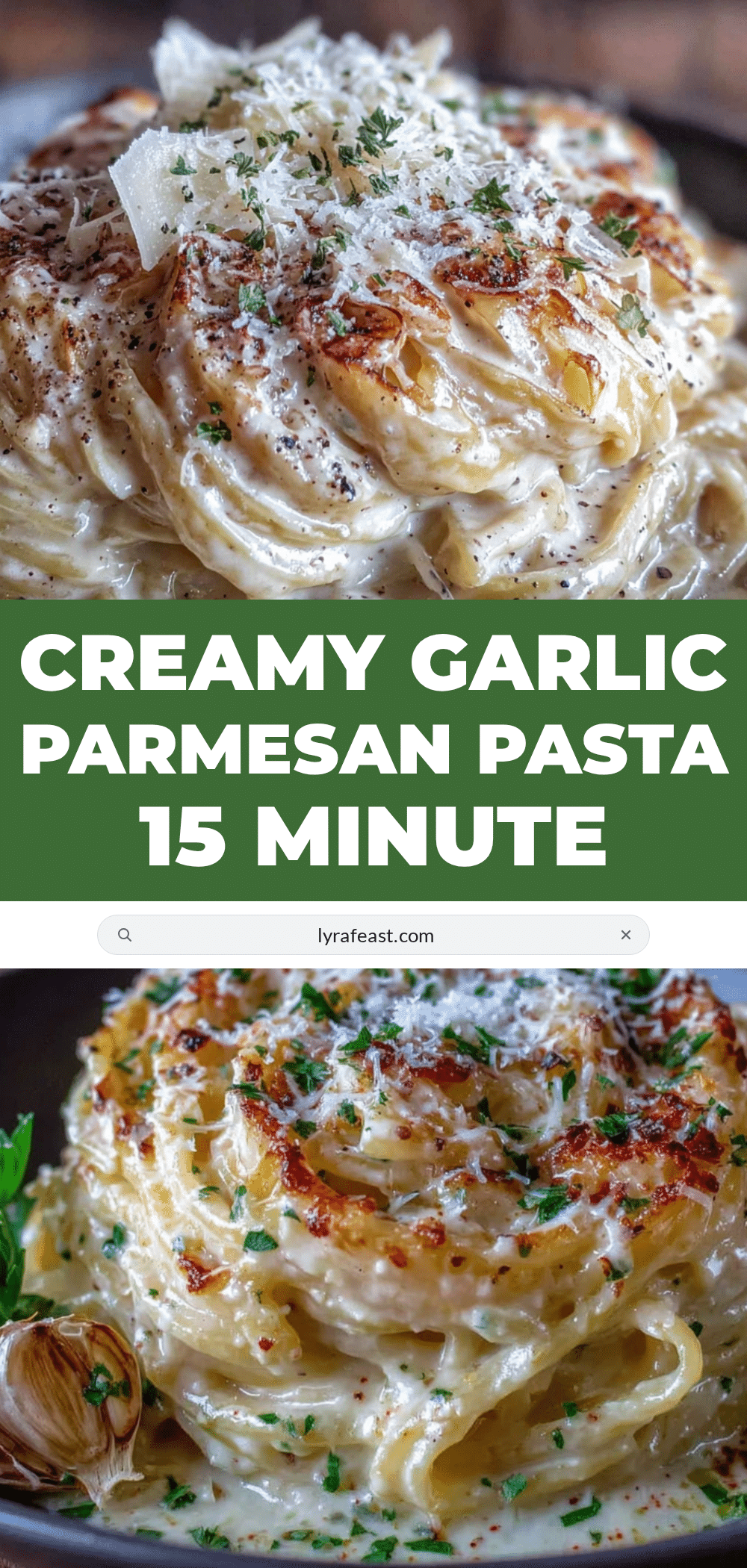
Creamy Garlic Parmesan Pasta – Easy 15-Minute Dinner
A quick and easy creamy garlic parmesan pasta that comes together in under 15 minutes. This weeknight hero features a silky, savory sauce made with simple ingredients and a foolproof technique.
- Prep Time: 5 minutes
- Cook Time: 10 minutes
- Total Time: 15 minutes
- Yield: 4 servings 1x
- Category: Main Course
- Cuisine: Italian
Ingredients
- 8 oz (225g) fettuccine or linguine
- 3 tablespoons unsalted butter
- 4 cloves garlic, minced
- 1 cup (240ml) heavy cream
- 1 cup (100g) freshly grated parmesan cheese
- ½ cup (120ml) reserved pasta water
- ½ teaspoon salt
- ¼ teaspoon black pepper
- ¼ teaspoon red pepper flakes (optional)
- 2 tablespoons fresh parsley, chopped
Instructions
- Bring a large pot of salted water to a rolling boil. Use about 1 tablespoon of salt per 4 quarts of water. While it heats up, grate your parmesan and mince your garlic.
- Cook your pasta according to package directions until al dente. Before draining, reserve 1 cup of the starchy pasta water. Drain the pasta but do not rinse.
- While the pasta cooks, start the sauce. In a large skillet, melt the butter over medium heat. Once foaming, add the minced garlic and red pepper flakes if using. Cook for 60-90 seconds, stirring constantly, until fragrant and just barely golden.
- Pour in the heavy cream. Stir until smooth. Let it come to a gentle simmer, then reduce the heat to low. This takes about 2-3 minutes.
- Add the parmesan cheese gradually, sprinkling it in handful by handful, stirring constantly between each addition. Keep stirring until the cheese is fully melted and the sauce is smooth and glossy, about 2 minutes.
- Season the sauce with salt and pepper. Taste and adjust if needed.
- Add the drained pasta directly to the skillet. Toss everything together using tongs or a wooden spoon. If the sauce seems too thick, add reserved pasta water a splash at a time (usually about ¼ cup) until desired consistency is reached.
- Toss for another minute until the pasta is well coated and the sauce has thickened slightly. Remove from heat, garnish with fresh parsley, and serve immediately.
Notes
For the creamiest results, make sure your cream and parmesan are at room temperature before starting. Cold ingredients can cause the sauce to seize up. If you’re dairy-sensitive, use a high-quality lactose-free cream. Avoid ultra-pasteurized versions if possible, as they don’t thicken as well. Don’t rush the garlic—medium heat is your friend. Grate your own cheese; pre-shredded parmesan contains anti-caking agents that prevent smooth melting. Save more pasta water than you think you need. Taste as you go. Work quickly once the pasta is done. If your sauce separates, take it off the heat immediately and whisk in a splash of cold cream or milk.
Nutrition
- Serving Size: 1/4 of recipe
- Calories: 520
- Sugar: 3
- Sodium: 580
- Fat: 32
- Saturated Fat: 19
- Carbohydrates: 42
- Fiber: 2
- Protein: 18
Keywords: creamy garlic parmesan pasta, easy pasta recipe, 15-minute dinner, weeknight dinner, garlic parmesan pasta, quick pasta