There used to be a tiny bakery tucked behind a florist shop on a side street in Portland that made the most incredible fig and honey jam I have ever tasted. When they closed their doors three years ago, I honestly felt a little lost. That jam was my secret weapon—I put it on everything from morning toast to late-night cheese boards, and I never thought I’d find anything like it again. After twelve tries—some burnt, some too runny, one that my husband politely called “aggressively sweet”—I finally got it.
The summer I turned thirty, I spent a whole weekend driving to every farm stand within fifty miles looking for perfect figs. My back seat smelled like fruit for a week, and I made a mess of my kitchen that looked like a crime scene. But you know what? That obsession paid off. This homemade small-batch fig and honey jam is the one. It has that deep, almost caramelized flavor I was chasing, with just enough honey to let the figs shine without overwhelming them.
I still think about that little bakery sometimes, but now I don’t have to miss their jam anymore. And honestly, maybe you’ve been there too—searching for that one thing you can’t find in stores, wishing you could just make it yourself. Well, you can. This recipe is proof that sometimes the best things come from a little stubbornness and a lot of figs.
Why You’ll Love This Recipe
Let me tell you why this homemade small-batch fig and honey jam has become my most-requested recipe among friends and family. I’ve tested this more times than I care to admit, and every batch has taught me something new about getting that perfect balance of sweet and fruity.
- Quick & Easy: Comes together in just 20 minutes, which is honestly shocking for something that tastes this complex. Perfect for those moments when you need a jar of something special but don’t have all day.
- Simple Ingredients: You only need four main ingredients—figs, honey, lemon, and a pinch of salt. No pectin, no special preservatives, no grocery store scavenger hunt.
- Perfect for Gifting: This jam in a pretty jar with a ribbon tied around it has saved me more times than I can count. Housewarming, hostess gift, holiday neighbor present—it works every time.
- Crowd-Pleaser: I’ve watched people who swear they don’t like fig anything go back for seconds. The honey mellows out that earthy fig flavor in a way that wins over even the skeptics.
- Unbelievably Delicious: The texture is what gets me every time. Those little bits of fig suspended in that golden, honey-kissed syrup? It’s next-level comfort food in a jar.
What makes this different from other fig jam recipes is the technique. I cook the figs with honey first, letting them soften and release their natural sugars before adding the lemon. It sounds simple, but that order of operations makes all the difference. You get a deeper, more rounded flavor that tastes like it simmered for hours, not twenty minutes.
This isn’t just another jam recipe. It’s the kind that makes you close your eyes after the first bite. It’s fig jam reimagined—faster, simpler, but with the same soul-soothing satisfaction as that fancy bakery version. Perfect for impressing brunch guests without stress, or turning a simple piece of toast into something memorable.
What Ingredients You Will Need
This recipe uses simple, whole ingredients to deliver that deep, complex flavor without any fuss. Everything is likely already in your kitchen except the figs, which makes this perfect for spontaneous jam-making sessions.
- Fresh figs, stemmed and quartered (1 pound / about 450g) — Look for figs that are ripe but still firm, with no mushy spots. Black Mission or Brown Turkey figs work beautifully here. If you can find them at a farmers market, even better. I’ve had great luck with the figs from Trader Joe’s when they’re in season too.
- Honey (1/2 cup / 170g) — Use a mild honey like clover or orange blossom so it doesn’t overpower the figs. Save your strong buckwheat honey for something else. The honey you choose really does change the final flavor, so pick one you love eating straight from the spoon.
- Fresh lemon juice (2 tablespoons, about 1 lemon) — Fresh is non-negotiable here. Bottled lemon juice has a flat, metallic taste that will ruin your jam. The lemon brightens everything up and helps the jam set without pectin.
- Lemon zest (1 teaspoon, from that same lemon) — This adds a little extra brightness that you’ll miss if you skip it. Zest before you juice—trust me on that.
- Kosher salt (a generous pinch) — Sounds weird in jam, I know. But salt is a flavor enhancer, and that tiny pinch makes the figs and honey taste more like themselves. Don’t skip it.
- Vanilla extract (1/2 teaspoon, optional but recommended) — This is my secret weapon. Vanilla adds a warmth that makes the jam taste like it took all day. I use Nielsen-Massey because it’s pure and strong, but any good vanilla works.
- Butter (1 teaspoon, optional) — A tiny pat of butter added at the end cuts any foam and gives the jam a beautiful shine. It’s not essential, but it makes the final product look professional.
Substitution guidance: If you only have dried figs, you can rehydrate them in hot water for 20 minutes before using, though the texture will be different. For a vegan version, use maple syrup instead of honey—it changes the flavor slightly but is still delicious. You can also add a cinnamon stick while cooking for a spiced version, just remove it before jarring.
Equipment Needed
You don’t need a fancy canning setup for this small-batch recipe. Here’s what you’ll actually use:
- Medium heavy-bottomed saucepan (2 to 3 quart) — A heavy pot distributes heat evenly and prevents scorching. I use my trusty Le Creuset, but any good stainless steel or enameled pot works. Stay away from thin nonstick pans—they’ll give you hot spots and burnt jam.
- Wooden spoon or silicone spatula — Wood is traditional and won’t scratch your pot. I prefer a flat-edged wooden spoon for scraping the bottom as the jam thickens.
- Sharp knife and cutting board — For prepping those figs. A dull knife will squish them, and nobody wants that.
- Microplane or fine zester — For getting that lemon zest without the bitter white pith. A box grater works in a pinch.
- Citrus juicer or reamer — Your hands work fine, but a juicer gets every last drop.
- Measuring cups and spoons — For accuracy. Jam-making is forgiving, but starting with the right ratios helps.
- Half-pint jar with lid (8 oz / 250ml) — This recipe makes about 1 cup, perfect for one small jar. A Weck jar or repurposed jam jar works beautifully. Wash it well with hot soapy water and dry completely.
- Small funnel (optional but helpful) — Makes pouring hot jam into the jar much less stressful. I’ve done it without and let’s just say I’ve cleaned jam off my counter more times than I’d like.
Budget-friendly tip: That jar you’ve been saving from store-bought jam? Wash it out and use it. Just make sure the lid seals well.
Preparation Method
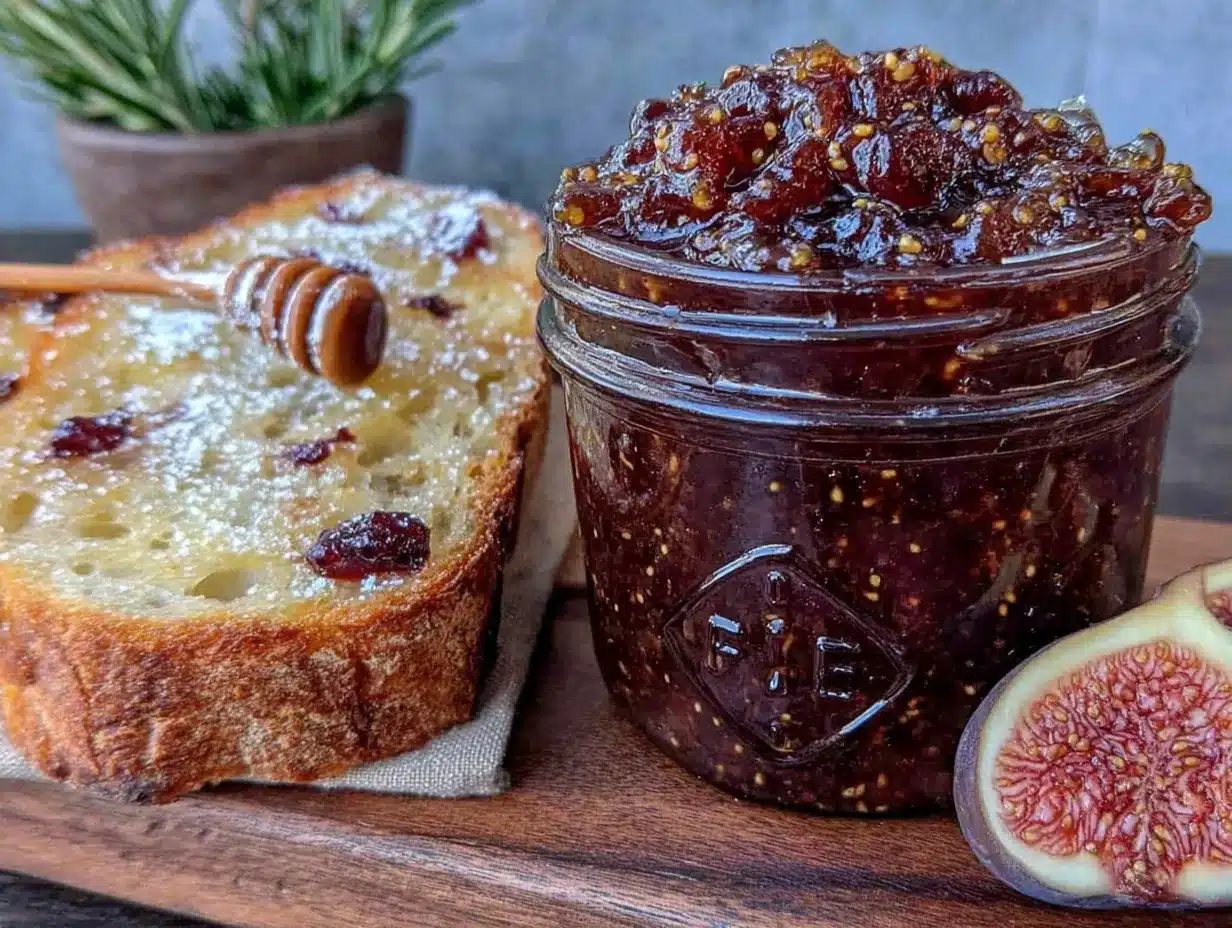
- Prep your figs: Rinse the figs gently and pat them dry. Cut off the tough stems, then quarter each fig. If you have really large figs, cut them into sixths instead. You want pieces that will break down easily but leave some texture. This should take about 5 minutes.
- Combine figs and honey: Place the quartered figs in your saucepan and pour the honey over them. Stir gently to coat every piece. Let them sit for 5 minutes if you have time—this helps draw out the fig’s natural juices. If you’re in a hurry, move right to the next step. I’ve done both, and the resting step makes a subtle difference in the final texture.
- Start cooking: Place the pot over medium heat. Stir occasionally as the figs begin to release their liquid and the honey melts. You’ll see the mixture start to bubble and get juicy after about 3 minutes. Don’t walk away yet—this is where things can go wrong fast.
- Add lemon and salt: Once the mixture is bubbling gently (about 5 minutes in), stir in the lemon juice, lemon zest, and that pinch of salt. If you’re using vanilla, add it now too. The lemon will brighten everything up and help balance the sweetness.
- Simmer and mash: Reduce the heat to medium-low and let the jam simmer gently. Use your spoon to mash some of the fig pieces against the side of the pot. Leave about half of them intact for texture. You want a mix of jammy bits and whole pieces. Let it cook for another 8 to 10 minutes, stirring occasionally to prevent sticking.
- Check for doneness: The jam is ready when it has thickened and reduced by about a third. To test, put a small spoonful on a cold plate and let it sit for 30 seconds. Run your finger through it—if the jam holds its shape and doesn’t run back together, it’s done. If it’s still runny, cook for another 2 minutes and test again. This is the most important step, so don’t skip it.
- Optional butter finish: If you’re using butter, stir it in now. It will melt quickly and give the jam a beautiful glossy finish. The foam on top will mostly disappear too.
- Cool and jar: Remove the pot from heat and let the jam cool for 5 minutes. It will continue to thicken as it cools. Use your funnel to carefully pour the jam into your clean jar. Let it cool completely at room temperature before putting the lid on and refrigerating.
Sensory cues to watch for: When the jam is ready, it should smell deep and sweet, almost caramelized. The color will be a rich amber-brown, darker than when you started. You should see little pockets of honey syrup between the fig pieces, and the whole thing should look glossy and inviting.
Cooking Tips & Techniques
I learned most of these the hard way, so you don’t have to. Let me save you some trouble.
Don’t walk away from the pot. I know it’s tempting to check your phone or start washing dishes, but jam can go from perfect to burnt in about 30 seconds. The natural sugars in honey are more delicate than granulated sugar, so they scorch faster. Stay in the kitchen, keep stirring, and listen to a podcast instead.
Use a heavy-bottomed pot. My first few batches of fig jam were borderline charcoal because I used a thin saucepan. The heat distribution was terrible, and the bottom burned while the top stayed runny. A heavy pot costs more, but it’s worth it for the even cooking alone.
Test your jam early. I always start checking for doneness around the 12-minute mark, even if I think it needs longer. Every batch is different depending on how ripe your figs are and how humid your kitchen is. The cold plate test is your best friend here.
Don’t over-mash. I made that mistake on attempt number four. I mashed the figs into a uniform paste, and the jam looked more like baby food than the rustic, textured jam I wanted. Leave some chunks—that texture is part of what makes homemade jam special.
Let it cool before judging. Hot jam is always thinner than cold jam. I can’t tell you how many times I’ve thought a batch was too runny, only to find it perfectly set after cooling. Give it that 5-minute rest before you decide to cook it more.
Scale carefully. This recipe is designed for small batches because honey-based jams don’t always behave the same way when doubled. If you want to make more, cook two separate batches. It takes the same amount of time and gives you better results.
Variations & Adaptations
One of the best things about this recipe is how flexible it is. Here are some ways I’ve adapted it over the years:
Spiced Fig Jam: Add one cinnamon stick and two star anise pods to the pot while the jam simmers. Remove them before jarring. The warm spices make this version perfect for holiday gift-giving. I made this for Christmas last year and my mother-in-law asked for three jars.
Fig and Rosemary Jam: Stir in one tablespoon of finely chopped fresh rosemary during the last 2 minutes of cooking. The herbaceous note cuts through the sweetness beautifully. This is incredible on a cheese board with sharp cheddar or manchego.
Low-Sugar Version: Reduce the honey to 1/3 cup and add 1 tablespoon of chia seeds to help with thickening. The texture will be more like a chia jam than traditional jam, but it’s still delicious and much lower in sugar. I make this version when I’m trying to be mindful about sweeteners.
Balsamic Fig Jam: Add 1 tablespoon of good balsamic vinegar along with the lemon juice. The acidity and slight sweetness of the balsamic adds a whole new dimension. This version is my go-to for pairing with roasted meats like pork tenderloin or duck breast.
Dried Fig Version: If fresh figs aren’t in season, use 8 ounces of dried figs that have been soaked in hot water for 20 minutes. Drain them before using, and reduce the cooking time by about 5 minutes since dried figs are already concentrated. The flavor is actually more intense this way.
Serving & Storage Suggestions
This homemade small-batch fig and honey jam is incredibly versatile. Here’s how I use it:
Serving temperature: Serve at room temperature for the best flavor and spreadability. If it’s been in the fridge, let it sit out for 15 minutes before using. Cold jam is stiff and doesn’t spread as nicely.
Classic pairings: Spread it on warm buttered toast, scones, or biscuits for breakfast. It’s also incredible on a cheese board with brie, goat cheese, or aged gouda. Drizzle it over yogurt or oatmeal for a fancy-feeling breakfast that takes zero effort.
Savory uses: This jam is amazing as a glaze for roasted pork or chicken. Brush it on during the last 10 minutes of cooking. It also makes a fantastic sandwich spread—try it on a turkey and brie panini. I’ve even stirred a spoonful into salad dressings for a sweet-tangy twist.
Storage instructions: Keep the jam in an airtight jar in the refrigerator for up to 3 weeks. Because this is a small-batch recipe without added preservatives or commercial canning methods, it won’t last as long as store-bought jam. That’s okay—you’ll probably finish it long before then.
Freezer instructions: This jam freezes beautifully for up to 3 months. Let it cool completely, then transfer to a freezer-safe container, leaving a little room for expansion. Thaw in the refrigerator overnight before using. The texture might be slightly softer after freezing, but the flavor stays perfect.
Flavor development: Here’s something interesting—the flavor actually deepens after a day or two in the fridge. The honey and fig flavors meld together, and the jam becomes more complex. So if you can resist eating it all right away, you’ll be rewarded with an even better jam.
Nutritional Information & Benefits
Here’s the nutritional breakdown for a 1-tablespoon serving of this homemade small-batch fig and honey jam. Keep in mind that these are estimates and will vary based on the exact ingredients you use.
| Nutrient | Amount per serving (1 tbsp) |
|---|---|
| Calories | 45 |
| Total Fat | 0g |
| Sodium | 10mg |
| Total Carbohydrates | 12g |
| Dietary Fiber | 1g |
| Total Sugars | 10g |
| Protein | 0g |
Figs are a good source of dietary fiber, which supports digestive health. They also contain potassium, calcium, and magnesium. Honey provides antioxidants and has natural antibacterial properties. While this jam is higher in natural sugars than some alternatives, it’s made without refined sugar or artificial ingredients. I think of it as a wholesome indulgence—something that adds joy to your food without any of the junk.
This recipe is naturally gluten-free, dairy-free (if you skip the optional butter), and vegetarian. It’s also free from refined sugar, making it a great option for those looking to reduce processed sweeteners.
Conclusion
This homemade small-batch fig and honey jam is proof that you don’t need fancy equipment or hours of free time to make something truly special. It’s the kind of recipe that becomes a staple—the one you pull out when you need a hostess gift, a weekend breakfast upgrade, or just a little sweetness in your day.
I love how forgiving this recipe is. You can tweak the honey, add spices, or use dried figs when fresh aren’t available, and it still turns out delicious. It’s become my go-to for using up that last pound of figs from the farmers market, and it never disappoints.
I’d love to hear how yours turns out. Did you add cinnamon? Try it with balsamic? Use it on something I haven’t thought of? Drop a comment below and let me know—I read every single one, and your ideas might inspire my next batch. Happy jamming!
Frequently Asked Questions
Can I use dried figs instead of fresh for this jam?
Yes, absolutely. Soak 8 ounces of dried figs in hot water for 20 minutes, drain them, and proceed with the recipe. Reduce the cooking time by about 5 minutes since dried figs are already concentrated. The flavor will be even more intense than with fresh figs.
How long does this small-batch fig jam last in the fridge?
Stored in an airtight jar, this jam will keep for up to 3 weeks in the refrigerator. Because it’s a small-batch recipe without commercial preservatives or water-bath canning, it won’t last as long as store-bought jam. But honestly, you’ll probably finish it well before then.
Can I freeze this fig and honey jam?
Yes, it freezes beautifully for up to 3 months. Let the jam cool completely, then transfer it to a freezer-safe container, leaving a little room for expansion. Thaw overnight in the refrigerator before using. The texture might be slightly softer after freezing, but the flavor stays perfect.
Why did my jam turn out too runny?
This usually happens when the jam hasn’t cooked long enough. The natural pectin in figs needs time to activate and thicken the mixture. Next time, cook it a few minutes longer and always use the cold plate test before deciding it’s done. Remember that hot jam is thinner than cold jam, so let it cool slightly before judging.
Can I double this recipe?
I don’t recommend doubling this recipe because honey-based jams behave differently in larger quantities. The cooking time changes, and you’re more likely to end up with uneven results. If you want more jam, cook two separate batches. It takes the same amount of time and gives you better, more consistent results.
Pin This Recipe!
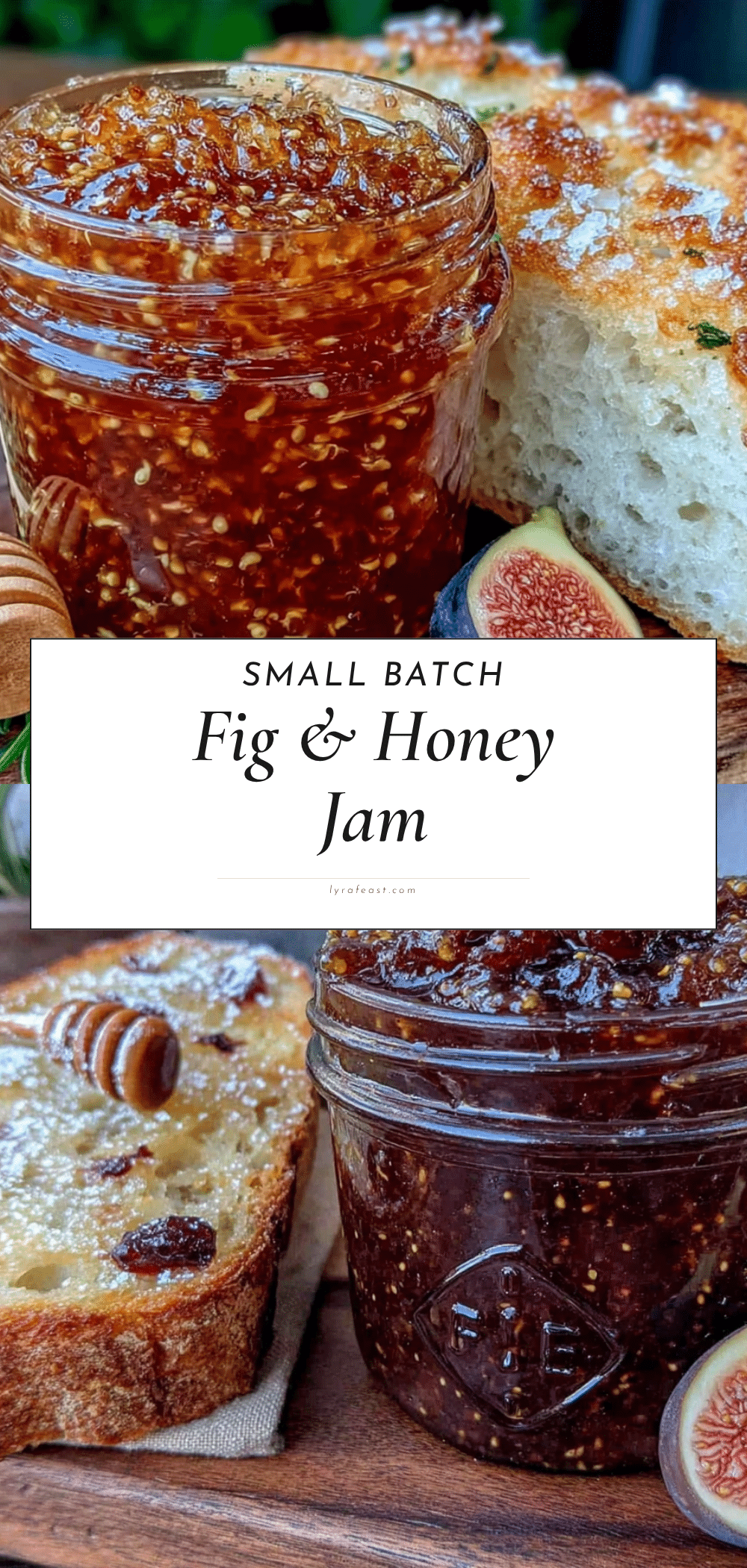
Homemade Small-Batch Fig and Honey Jam – Easy 20-Minute Recipe
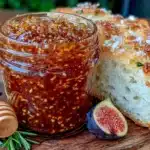
This homemade small-batch fig and honey jam comes together in just 20 minutes with only four main ingredients. It has a deep, caramelized flavor with just enough honey to let the figs shine, perfect for toast, cheese boards, or gifting.
- Prep Time: 5 minutes
- Cook Time: 15 minutes
- Total Time: 20 minutes
- Yield: 1 cup (about 16 servings) 1x
- Category: Condiment
- Cuisine: American
Ingredients
- 1 pound fresh figs, stemmed and quartered (about 450g)
- 1/2 cup honey (170g)
- 2 tablespoons fresh lemon juice (about 1 lemon)
- 1 teaspoon lemon zest
- 1 generous pinch kosher salt
- 1/2 teaspoon vanilla extract (optional but recommended)
- 1 teaspoon butter (optional)
Instructions
- Rinse the figs gently and pat them dry. Cut off the tough stems, then quarter each fig. If you have really large figs, cut them into sixths instead. This should take about 5 minutes.
- Place the quartered figs in your saucepan and pour the honey over them. Stir gently to coat every piece. Let them sit for 5 minutes if you have time to draw out the fig’s natural juices.
- Place the pot over medium heat. Stir occasionally as the figs begin to release their liquid and the honey melts. You’ll see the mixture start to bubble and get juicy after about 3 minutes.
- Once the mixture is bubbling gently (about 5 minutes in), stir in the lemon juice, lemon zest, and pinch of salt. If using vanilla, add it now too.
- Reduce the heat to medium-low and let the jam simmer gently. Use your spoon to mash some of the fig pieces against the side of the pot, leaving about half intact for texture. Cook for another 8 to 10 minutes, stirring occasionally.
- Test for doneness by putting a small spoonful on a cold plate and letting it sit for 30 seconds. Run your finger through it—if the jam holds its shape and doesn’t run back together, it’s done. If still runny, cook for another 2 minutes and test again.
- If using butter, stir it in now. It will melt quickly and give the jam a beautiful glossy finish.
- Remove the pot from heat and let the jam cool for 5 minutes. Use a funnel to carefully pour the jam into a clean half-pint jar. Let it cool completely at room temperature before putting the lid on and refrigerating.
Notes
Don’t walk away from the pot as jam can burn quickly. Use a heavy-bottomed pot for even heat distribution. Test jam early around the 12-minute mark. Don’t over-mash the figs—leave some chunks for texture. Let jam cool before judging thickness as hot jam is thinner. This recipe is designed for small batches and doesn’t double well. For a spiced version, add a cinnamon stick and two star anise pods while simmering. For a savory twist, add 1 tablespoon balsamic vinegar with the lemon juice.
Nutrition
- Serving Size: 1 tablespoon
- Calories: 45
- Sugar: 10
- Sodium: 10
- Carbohydrates: 12
- Fiber: 1
Keywords: fig jam, honey jam, small-batch jam, homemade jam, fig recipe, easy jam, no pectin jam, fig and honey