Introduction
Last summer, I found myself standing behind a smoky fence at a small-town BBQ competition, watching as the pitmasters worked their magic. The air was thick with the scent of hickory and mesquite, and the chatter buzzed with stories of secret rubs and smoker tricks. I was there more as a curious newbie than a BBQ aficionado, but then I tasted the brisket. Honestly, it was unlike anything I’d ever had—so tender it practically melted in my mouth, with a bark that cracked just right and a smoke ring that told its own story. I learned later that the winning team used a classic Texas method, refined over years of trial and error, to get that perfect bite.
Inspired, I came home determined to recreate that competition-style smoked brisket. The process wasn’t without its hiccups—there was the time I forgot to wrap the meat, causing a tougher crust, or when my thermometer died mid-smoke (not fun!). But through all that trial and error, I landed on a recipe that nails the tender, juicy texture and rich smoky flavor every time. If you’ve ever wrestled with brisket or wondered how to get that melt-in-your-mouth tenderness, this recipe is for you. Maybe you’ve been there—staring at a brisket that just won’t cooperate or doubting if you have the patience for the long smoke. Let me tell you, this method makes it doable and delicious, whether you’re a pitmaster or a backyard griller.
Keep reading for a step-by-step guide that breaks down the Ultimate Tender Competition-Style Smoked Brisket Texas Method. Trust me, once you nail this, you’ll be the one people ask to bring brisket for the next potluck or family gathering.
Why You’ll Love This Recipe
Having tested this smoked brisket recipe over countless weekend cookouts and local contests, I can confidently say it delivers the goods. Here’s why this competition-style Texas brisket stands out:
- Slow and Low Perfection: The long, patient smoke at low temperatures ensures the meat breaks down beautifully, giving you that tender texture that’s everything in brisket.
- Simple, Authentic Ingredients: No complicated sauces or glazes here—just salt, pepper, and a touch of paprika to enhance the natural beef flavor.
- Flexibility for Your Setup: Whether you have a traditional offset smoker, a pellet grill, or even a charcoal kettle, this method adapts well and still brings out that signature Texas bark and smoke ring.
- Proven Competition Technique: Borrowed directly from pitmasters who’ve taken home trophies, this recipe incorporates their trusted secrets—like the timing of the wrap and resting period.
- Perfect for Any Occasion: Big family BBQs, neighborhood potlucks, or just a weekend treat—this brisket impresses without stress once you get the rhythm down.
- Deep, Mouthwatering Flavor: The smoke profile is balanced, never overpowering, allowing the beef’s natural richness to shine through.
This isn’t just your average smoked brisket recipe. It’s the culmination of hands-on experience, pitmaster wisdom, and a love for Texas BBQ that you can bring right to your backyard. Honestly, I keep coming back to this recipe because it hits that sweet spot between tradition and approachability—making BBQ that’s competition-worthy but still home-cook friendly.
What Ingredients You Will Need
This recipe keeps it straightforward with high-quality ingredients that work together to build flavor and tenderness. These are mostly pantry staples or easy-to-find items, so prepping won’t be a hassle.
- Brisket: 10-12 lbs whole packer brisket (includes both flat and point cuts) – look for well-marbled meat from a trusted butcher.
- Kosher Salt: coarse grind preferred – essential for seasoning and forming that flavorful crust.
- Coarse Black Pepper: freshly cracked for best texture and flavor impact.
- Paprika: smoked or sweet, depending on your preference (adds a subtle smoky color and depth).
- Garlic Powder: for a hint of savory aroma in the rub.
- Onion Powder: complements the garlic and enriches the seasoning blend.
- Wood Chips or Chunks: oak, hickory, or pecan wood are classic Texas choices for a balanced smoke flavor.
- Butcher’s Twine: optional, for tying the brisket if you want even cooking (not necessary but helpful).
- Aluminum Foil or Butcher Paper: for wrapping during the stall phase to keep moisture locked in without sacrificing bark.
Pro tip: I recommend checking out Snake River Farms for brisket quality or your local specialty butcher for fresh cuts. If you can’t find whole packer brisket, the flat cut can work but expect less fat and slightly different texture. Also, if you prefer a lower sodium option, you can reduce the salt slightly but be mindful it impacts the bark formation.
Equipment Needed
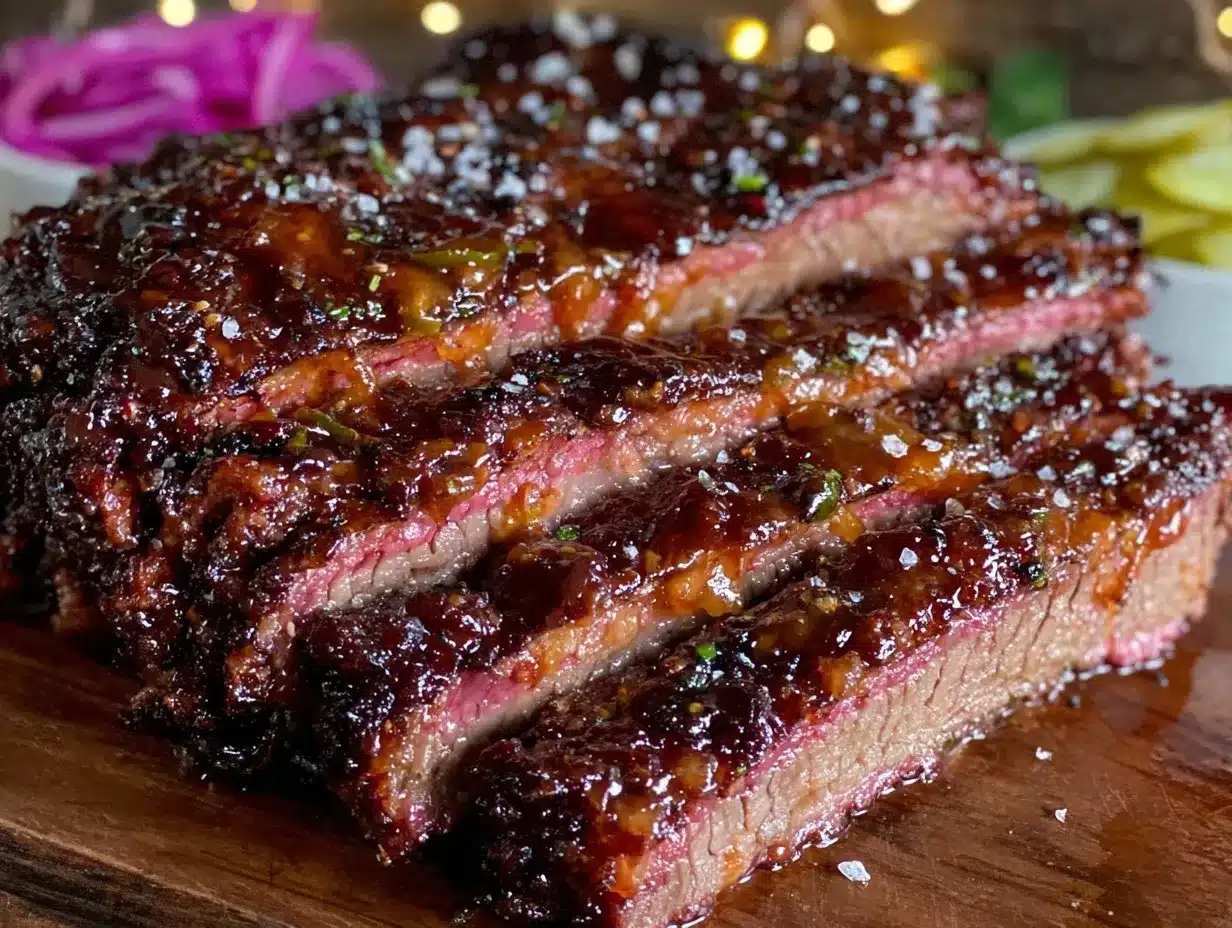
To get the best results, having the right tools makes a noticeable difference. Here’s what I use and recommend:
- Smoker or Grill: An offset smoker is ideal, but a pellet smoker or charcoal grill with a smoker box also works well.
- Meat Thermometer: A reliable digital probe thermometer is a must—this lets you monitor internal temperature accurately without opening the smoker.
- Spray Bottle: For misting the brisket with water or apple cider vinegar during the smoke to maintain moisture and help bark formation.
- Cutting Board and Sharp Knife: For trimming the brisket before cooking and slicing after resting.
- Heat-Resistant Gloves: To handle hot foil and brisket safely.
- Aluminum Foil or Butcher Paper: For wrapping during the stall phase.
If you don’t have a dedicated smoker, a charcoal kettle grill with indirect heat setup can be a budget-friendly alternative. Just watch your temperature carefully and add wood chunks for smoke. Also, keep your thermometer calibrated for best results—mine once stopped working mid-cook, which nearly ruined a batch!
Preparation Method
- Trim the Brisket (15-20 minutes): Remove excess fat cap so about ¼ inch remains—this fat renders during the cook and keeps the meat moist. Trim off any silver skin and hard chunks. I like to leave some marbling intact for juiciness.
- Apply the Rub (10 minutes): Mix kosher salt, coarse black pepper, paprika, garlic powder, and onion powder in a bowl. Generously coat the entire brisket, pressing the rub into the meat. Don’t be shy here; the seasoning is the backbone of flavor.
- Prepare the Smoker (30 minutes): Preheat your smoker to 225°F (107°C). Set it up for indirect smoking and add wood chunks or chips to produce steady smoke. Oak or hickory work beautifully for that authentic Texas flavor.
- Start Smoking (4-5 hours): Place the brisket fat-side up on the smoker grate. Insert your probe thermometer into the thickest part of the flat. Close the lid and maintain a steady temperature between 225-250°F (107-121°C). Spritz the brisket every hour with apple cider vinegar or water to keep the bark moist.
- Wrap the Brisket (When Internal Temp Hits ~165°F / 74°C): This is called “the stall” when the temperature plateaus due to moisture evaporation. Wrap the brisket tightly in butcher paper or foil to push through the stall and lock in moisture.
- Continue Smoking (Until Internal Temp Reaches 203°F / 95°C): Return the wrapped brisket to the smoker. This phase usually takes 3-4 hours. The meat should feel tender when poked with a thermometer probe or toothpick—it should slide in with little resistance.
- Rest the Brisket (1 hour): Remove the brisket and keep it wrapped. Let it rest in a cooler or warm place for at least 60 minutes. This allows juices to redistribute—honestly, this step is key for juicy bites.
- Slice and Serve: Slice against the grain, starting with the flat section and then the point. Thin slices deliver the best mouthfeel. Don’t forget to save some of that bark for texture contrast!
Throughout the process, keep a close eye on smoker temperature and airflow. I’ve learned that even small drafts or opening the lid too often can throw off the smoke and heat balance. Patience is your best friend here!
Cooking Tips & Techniques
Cooking competition-style brisket is as much art as science, and these tips come from my own kitchen wins and fails:
- Don’t Rush the Smoke: Brisket needs low and slow cooking—try not to crank the heat to speed things up. You’ll lose that tender texture and risk drying it out.
- Use a Quality Thermometer: I once guessed the temperature and ended up with a tough brisket. Avoid that by using a probe thermometer with an alarm to alert when the target temp is reached.
- Wrapping Timing Matters: Wrapping too early can soften your bark; too late and the meat could dry out. Aim for around 165°F internal temperature to maximize tenderness and bark retention.
- Manage Smoke Wisely: Too much smoke can cause a bitter taste. Use mild smoking woods like oak or pecan, and add wood gradually.
- Resting is Crucial: Resist the urge to slice immediately. Resting lets juices redistribute and keeps every bite succulent.
- Learn the Grain: Knowing the direction of the muscle fibers helps with slicing. I often mark the grain after trimming to avoid guesswork later.
Variations & Adaptations
This competition-style brisket recipe is pretty classic, but here are some ways you can tweak it:
- Spice Up the Rub: Add cayenne or chili powder for a kick, or a pinch of brown sugar for slight sweetness.
- Different Woods: Try mesquite for a stronger smoke flavor or fruit woods like apple or cherry for a sweeter, milder touch.
- Gluten-Free: This recipe is naturally gluten-free, but double-check your spice blends and rub ingredients to avoid cross-contamination.
- Oven Finish: If weather or equipment limits smoking time, finish the wrapped brisket in a 250°F oven after initial smoke for tenderness.
- Texas Toast Side: Serve with toasted garlic bread or jalapeño cheddar cornbread to complete the Texas BBQ vibe.
I once tried swapping the butcher paper wrap for a simple foil wrap exclusively, and though it kept moisture well, the bark was less crunchy. But some folks prefer that texture, so it’s worth experimenting!
Serving & Storage Suggestions
Serve your smoked brisket warm or at room temperature for the best flavor and texture. It pairs beautifully with classic sides like creamy coleslaw, pickles, and smoky baked beans. For drinks, a cold Texas lager or a robust iced tea complements the richness nicely.
To store leftover brisket, wrap it tightly in foil or plastic wrap and place it in an airtight container. Refrigerate for up to 4 days. For longer storage, slice and freeze in portions for up to 3 months. Reheat gently in the oven at 250°F (121°C) wrapped in foil to keep it moist.
Flavors often deepen after resting overnight, making leftover brisket even more indulgent the next day.
Nutritional Information & Benefits
This smoked brisket is a hearty, protein-packed dish. A typical 3-ounce (85g) serving provides approximately:
| Calories | 220 |
|---|---|
| Protein | 22g |
| Fat | 14g |
| Carbohydrates | 0-1g (mainly from seasoning) |
Beef brisket supplies essential nutrients like iron, zinc, and B vitamins, important for energy and immune health. Using a simple rub without added sugars or artificial ingredients keeps this recipe wholesome. Just watch the sodium if you’re salt-sensitive.
Conclusion
This Ultimate Tender Competition-Style Smoked Brisket Texas Method recipe is proof that with a little patience and the right approach, you can bring authentic Texas BBQ right to your backyard. I love how this recipe respects tradition but also makes smoking brisket approachable for home cooks. It’s satisfying to slice into tender, smoky meat that earned nods from friends and strangers alike.
Feel free to make it your own—adjust the rub, experiment with woods, or pair it with your favorite sides. I’d love to hear how your brisket journey goes, or any tweaks you discovered. Don’t hesitate to leave a comment sharing your experience or questions. Now, fire up that smoker and get ready for some unforgettable BBQ moments!
Frequently Asked Questions
How long does it take to smoke a brisket using the Texas method?
Typically, smoking a 10-12 lb brisket takes about 8-10 hours at 225°F to reach the ideal internal temperature and tenderness.
What is the best wood for smoking brisket Texas style?
Oak is the traditional choice for Texas brisket because it provides a balanced smoke flavor. Hickory and pecan are also popular for adding depth without overpowering the meat.
Should I wrap brisket during the smoking process?
Yes, wrapping the brisket at around 165°F helps push through the stall and keeps the meat moist while preserving the bark if you use butcher paper.
How do I know when brisket is done?
The brisket is done when the internal temperature reaches about 203°F and the meat feels tender when poked with a probe or toothpick.
Can I prepare the brisket ahead of time?
Absolutely! You can trim and apply the rub the night before to let flavors penetrate. Just keep it refrigerated until you’re ready to smoke.
Pin This Recipe!
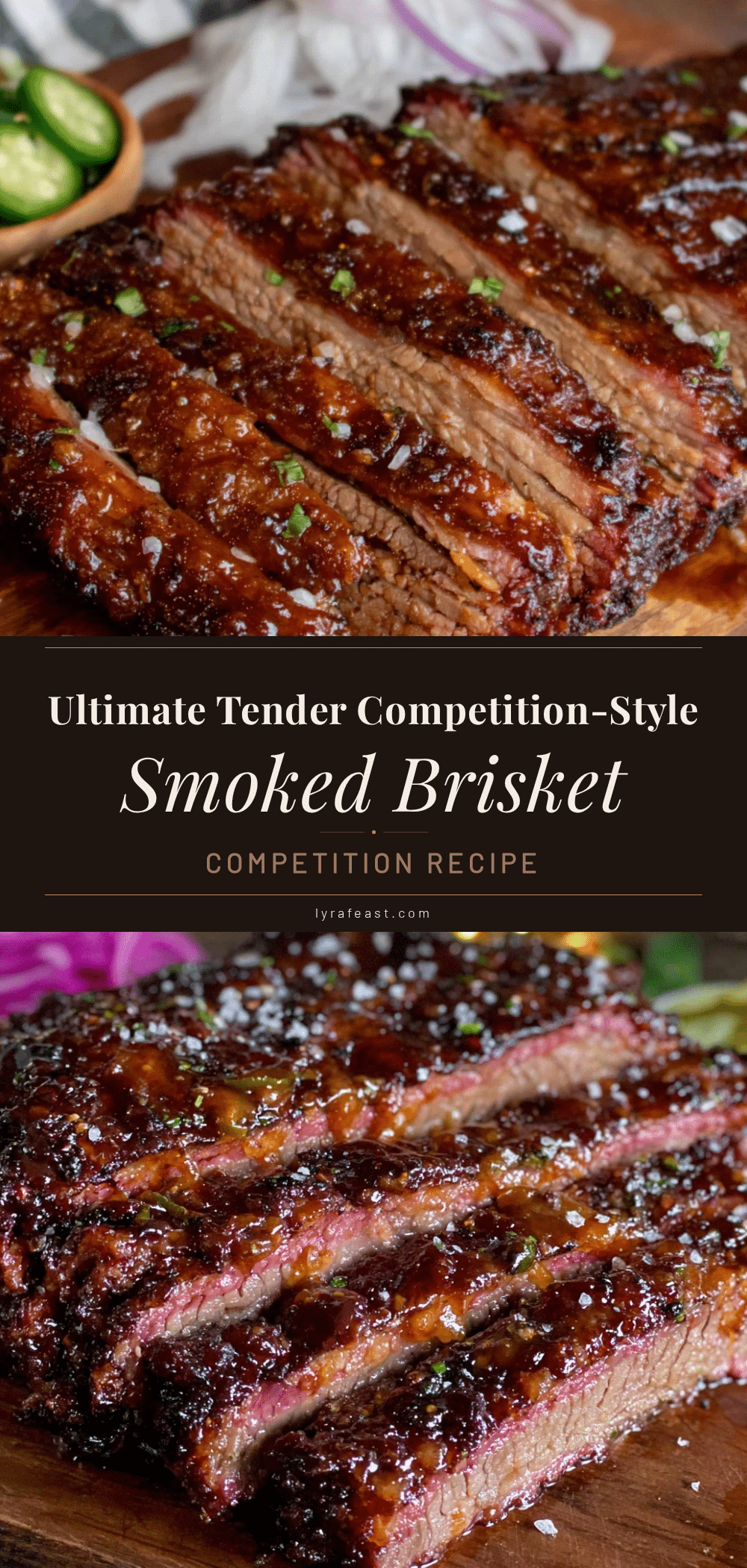
Ultimate Tender Competition-Style Smoked Brisket Texas Method Recipe for Perfect BBQ
This recipe delivers a tender, juicy, competition-style smoked brisket using the classic Texas method with simple, authentic ingredients and a slow and low smoking process.
- Prep Time: 25-30 minutes
- Cook Time: 8-10 hours
- Total Time: 8 hours 30 minutes to 10 hours 30 minutes
- Yield: 10-12 servings 1x
- Category: Main Course
- Cuisine: Texas BBQ
Ingredients
- 10–12 lbs whole packer brisket (includes both flat and point cuts), well-marbled
- Kosher salt, coarse grind
- Coarse black pepper, freshly cracked
- Paprika (smoked or sweet)
- Garlic powder
- Onion powder
- Wood chips or chunks (oak, hickory, or pecan)
- Butcher’s twine (optional)
- Aluminum foil or butcher paper for wrapping
Instructions
- Trim the brisket by removing excess fat cap so about 1/4 inch remains; remove silver skin and hard chunks while leaving some marbling intact (15-20 minutes).
- Mix kosher salt, coarse black pepper, paprika, garlic powder, and onion powder in a bowl. Generously coat the entire brisket with the rub, pressing it into the meat (10 minutes).
- Preheat your smoker to 225°F. Set it up for indirect smoking and add wood chunks or chips to produce steady smoke (30 minutes).
- Place the brisket fat-side up on the smoker grate. Insert a probe thermometer into the thickest part of the flat. Maintain a steady temperature between 225-250°F. Spritz the brisket every hour with apple cider vinegar or water to keep the bark moist (4-5 hours).
- When the internal temperature hits about 165°F (the stall), wrap the brisket tightly in butcher paper or foil to lock in moisture.
- Return the wrapped brisket to the smoker and continue smoking until the internal temperature reaches 203°F and the meat feels tender (3-4 hours).
- Remove the brisket and keep it wrapped. Let it rest in a cooler or warm place for at least 60 minutes to allow juices to redistribute.
- Slice against the grain, starting with the flat section and then the point. Serve.
Notes
Use a quality probe thermometer with an alarm to monitor internal temperature accurately. Wrap the brisket at around 165°F to push through the stall and retain moisture while preserving bark. Resting the brisket for at least 1 hour after smoking is crucial for juicy meat. Avoid opening the smoker too often to maintain temperature and smoke balance. Experiment with different woods like mesquite or fruit woods for varied smoke flavors. If needed, finish the brisket in a 250°F oven after smoking.
Nutrition
- Serving Size: 3 ounces (85 grams)
- Calories: 220
- Fat: 14
- Carbohydrates: 1
- Protein: 22
Keywords: smoked brisket, Texas brisket, BBQ, competition-style brisket, smoked meat, slow and low cooking, brisket recipe, Texas BBQ method